

Supporting your Parent with a Terminal Illness at Home
When a parent or loved one is living with a terminal illness, families can face difficult decisions about how best to support them.
For many people, remaining at home offers familiarity, comfort and the reassurance of being surrounded by people and routines they know. With the right support in place, families can focus more on spending meaningful time together.
At Caremark, our Care Assistants can provide compassionate support at home, working alongside families and healthcare professionals as someone’s needs change.
What are the signs that your parent’s terminal illness is progressing?
Every person and illness is different. However, families may notice changes such as:
- Sleeping more or becoming increasingly tired
- Eating or drinking less
- Becoming weaker or needing more help moving around
- Needing additional help with washing, dressing or toileting
- Becoming confused, restless or more withdrawn
- Talking less or finding conversation tiring
- Changes in breathing
- Colder hands and feet
The NHS explains that increased drowsiness, reduced appetite and changes in breathing can occur when someone becomes very unwell.
NHS guidance on physical changes when someone becomes very unwell
These signs do not necessarily mean that someone is in their final days. Other medical problems can cause similar changes, so speak to their GP, district nurse or healthcare team if you notice a significant difference.
What should I do if my parent is showing these signs?
If you are supporting your parent with a terminal illness, noticing them become weaker, more tired or less independent can be worrying. Changes in their health may mean they need additional medical, nursing or practical support at home.
A good first step is to speak with the healthcare professionals already involved in their care. They can assess whether your parent’s condition has changed and advise what extra support may be appropriate.
When caring for a parent with a terminal illness, it can also help to consider:
- Are they managing personal care safely?
- Are they eating and drinking enough?
- Can they move safely around the home?
- Are they managing their medication?
- Do they need more support during the day or overnight?
- Is one family member providing most of the care?
Families do not need to wait until caring responsibilities become unmanageable before asking for help. Putting terminal illness support at home in place earlier can help your parent remain comfortable while also giving family members additional reassurance and practical assistance.
The NHS provides further information about the different types of care and support available at home.
This should help Yoast because it brings the main keyphrase and closely related phrases into a section that previously had none, without repeating the exact wording unnaturally.
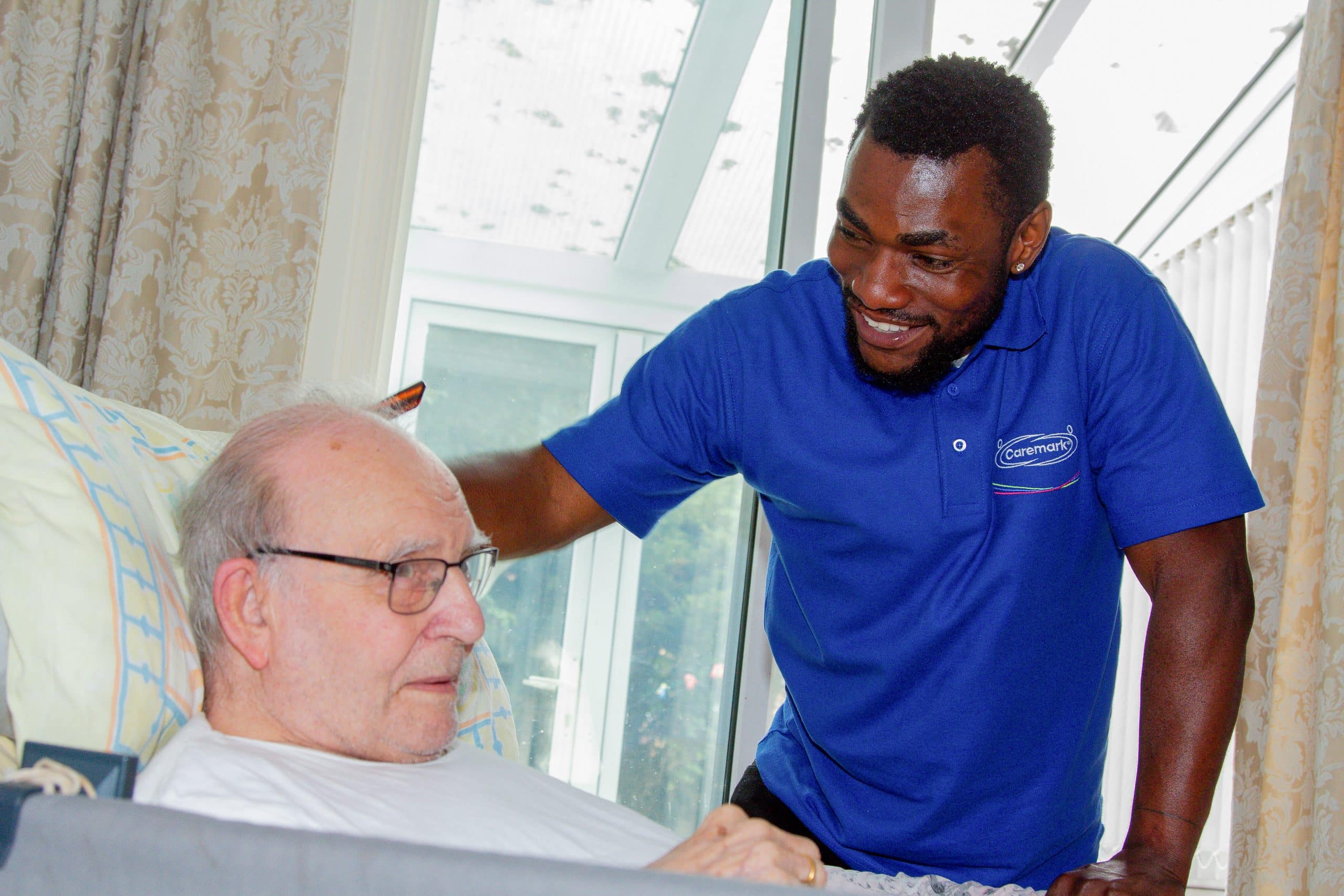
What support might your parent need at home as their health declines due to a terminal illness?
When supporting a parent with a terminal illness, their needs may change gradually over time.
Home care can provide practical help with:
- Washing, dressing and personal care
- Toileting and continence
- Moving safely around the home
- Preparing food and drinks
- Medication support in line with their care plan
- Maintaining everyday routines
- Companionship and reassurance
- Reporting changes to healthcare professionals
Support can start with a small number of visits and increase if someone’s circumstances change.
Helping a seriously ill parent remain comfortable
Small adjustments can make home feel more comfortable when someone becomes increasingly unwell.
This might include keeping important items within reach, reducing unnecessary clutter, maintaining a comfortable room temperature and making sure the person can easily call for help.
Marie Curie provides practical guidance for families about making someone’s room and home more comfortable.
Find Marie Curie guidance on making the home comfortable
Just as importantly, the person should remain involved in decisions wherever possible. Ask what makes them comfortable, what routines they want to keep and how they would like family and professionals to support them.
Supporting your parent to work alongside healthcare professionals
Professional home care does not replace doctors or nurses.
Depending on someone’s circumstances, their wider support team may include their GP, district nurses, specialist nurses, occupational therapists and other community services.
Caremark Care Assistants work alongside these professionals, following the agreed care plan and reporting important changes.
Macmillan also provides useful information about the different professionals who may be involved when someone is being supported at home. Macmillan Cancer Support
Find Macmillan information about professional support at home
When should families consider additional home care?
It may be worth asking for extra help when:
- Personal care is becoming difficult
- Mobility has noticeably reduced
- More supervision is needed
- Your parent is struggling with meals or drinks
- Nights are becoming more difficult
- The main family carer is becoming exhausted
- Healthcare professionals suggest additional support
Arranging care before reaching a crisis can make the change easier for everyone.
Supporting your parent with a terminal illness in Bromley, Lewisham and Southwark
At Caremark Bromley, Lewisham & Southwark, we understand how difficult it can be when someone you love becomes increasingly unwell.
We can provide flexible home care, from regular visits and overnight support through to live-in care, depending on the person’s individual needs.
Our Care Assistants can support everyday routines, personal care and companionship while working alongside the family and healthcare professionals already involved.
If your mum, dad or another loved one is becoming more unwell and you are unsure how you will manage their care at home, contact Caremark Bromley, Lewisham & Southwark to discuss how we may be able to help.