

Dementia Communication Approaches with Caremark Thurrock
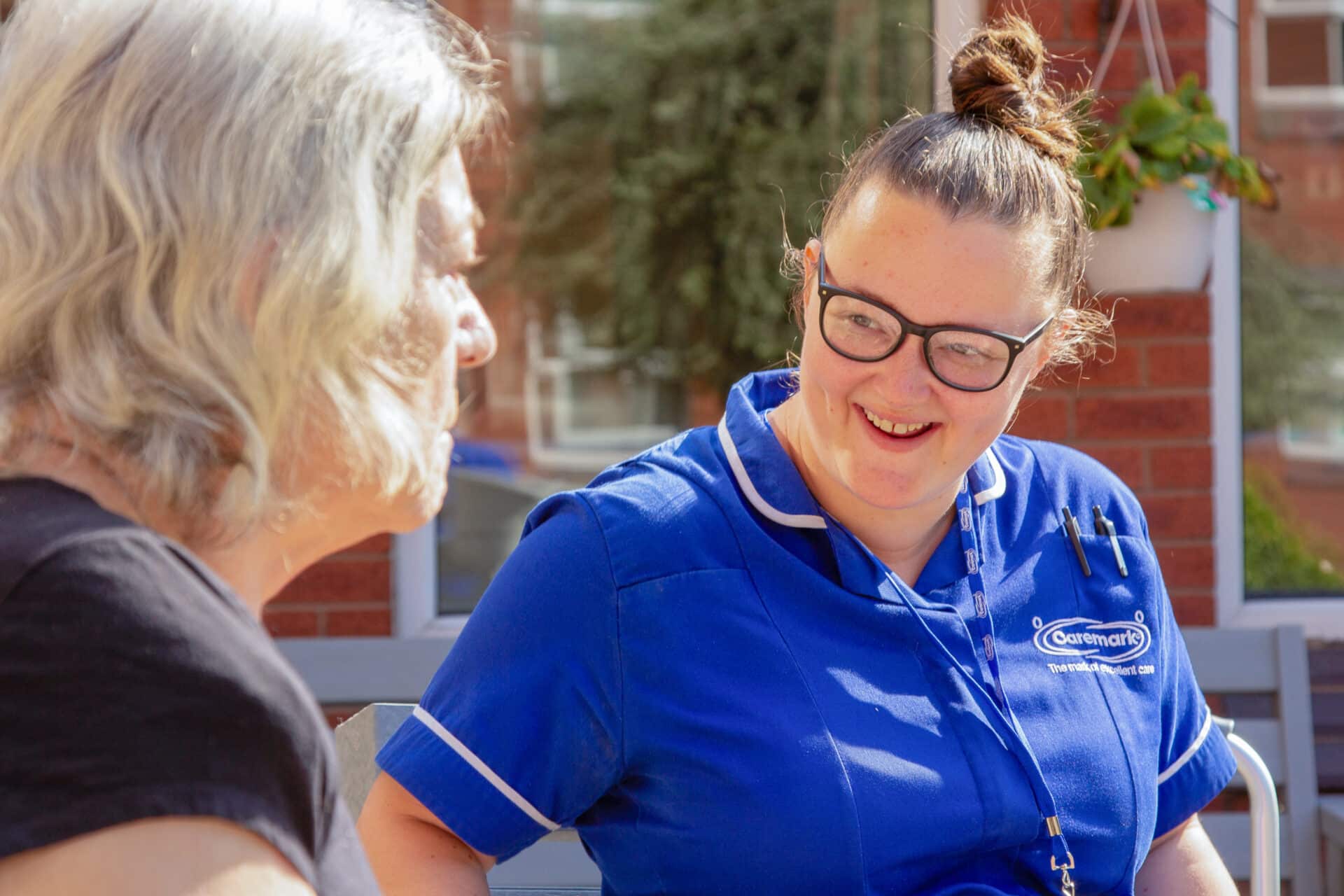
Effective dementia communication is essential to supporting older people living with dementia to maintain dignity, independence, and well-being. At Caremark Thurrock, we understand that every individual experiences dementia differently, and relationships. Good communication helps reduce anxiety, prevent frustration, and strengthen trust between care professionals, individuals, and their families. By using compassionate and adaptable communication techniques, we support older people to feel understood, respected, and valued at every stage of their journey.
Understanding Dementia Communication
Dementia can affect memory, language, understanding, and concentration. As the condition progresses, individuals may find it increasingly difficult to express themselves or interpret what others are saying. This can lead to confusion, distress, or withdrawal.
Effective dementia communication focuses on adapting how we speak, listen, and respond. It is about creating meaningful connections, rather than simply exchanging information. At Caremark Thurrock, our care professionals receive specialist training to recognise changing communication and emotional support needs, responding with patience, empathy, and reassurance.
Person-Centred Communication Approaches
Our communication approaches are rooted in person-centred care. This means we take time to understand each person’s life history, preferences, routines, and values. Familiar topics, cherished memories, and favourite activities can all help spark positive engagement and meaningful conversations.
We encourage care professionals to:
- Use clear, simple language and short sentences
- Speak calmly and at a measured pace
- Maintain eye contact and positive body language
- Allow extra time for responses
- Listen attentively without interrupting
By adjusting our communication style, we help older people feel more confident and less pressured, supporting positive interactions throughout the day.
Practical Dementia Communication Techniques
Effective communication techniques are vital in supporting people living with dementia. These include both verbal and non-verbal methods, which work together to enhance understanding and connection.
Non-verbal communication such as gentle facial expressions, reassuring gestures, and appropriate touch can often be just as powerful as words. Visual prompts, photographs, and familiar objects can also help individuals make sense of their surroundings and recall meaningful memories.
At Caremark Thurrock, we also promote the use of validation techniques, which focus on acknowledging emotions rather than correcting facts. If someone is distressed or confused, responding with empathy and reassurance can help reduce anxiety and provide comfort.
Montessori-Based Dementia Activities
At Caremark Thurrock, we integrate Montessori-Based Dementia Activities into our care approach to enhance dementia communication, promote independence, and support emotional wellbeing. This method focuses on what individuals can do, rather than what they cannot, encouraging engagement, confidence, and purpose.
Montessori-based activities are structured, meaningful, and familiar, enabling older people to participate in everyday tasks at their own pace. These activities are designed to stimulate memory, maintain motor skills, and promote social interaction, which all contribute positively to dementia communication.
By offering purposeful tasks such as sorting objects, folding laundry, preparing simple meals, or gardening, individuals are supported to remain active participants in their daily lives. This not only improves wellbeing but also creates valuable opportunities for communication, connection, and shared enjoyment.
How to Apply Montessori-Based Activities
Applying Montessori-Based Dementia Activities successfully requires careful observation, patience, and understanding. At Caremark Thurrock, our care professionals tailor each activity to individual abilities, preferences, and evolving support needs.
Key principles include:
- Breaking tasks into simple, manageable steps
- Using clear, calm instructions
- Offering gentle encouragement and reassurance
- Allowing time for processing and response
- Supporting independence without taking over
Activities are carefully selected to reflect personal history and interests, ensuring familiarity and emotional comfort. For example, a former gardener may enjoy planting seeds or watering flowers, while someone with a passion for cooking may engage positively with simple food preparation tasks.
This personalised approach strengthens dementia communication by promoting natural conversation, reducing anxiety, and encouraging meaningful engagement. By combining structured activity with compassionate communication techniques, we help older people maintain confidence, dignity, and emotional wellbeing.

Enhancing Communication Through Meaningful Activity
Meaningful engagement supports natural communication. When individuals are involved in familiar activities, they often become more relaxed and responsive, creating opportunities for conversation and shared enjoyment. These moments help strengthen trust and connection between care professionals and those they support.
Montessori-Based Dementia Activities also support non-verbal communication, allowing individuals to express themselves through movement, gesture, and creative tasks. This is particularly beneficial for those who experience difficulty with verbal communication.
By combining structured activities with compassionate communication techniques, we help older people feel valued, capable, and empowered in their daily lives.
Supporting Emotional Wellbeing
Positive dementia communication plays a vital role in emotional wellbeing. When individuals feel listened to and understood, they are more likely to feel safe, valued, and respected. This sense of security can reduce agitation, improve mood, and enhance overall quality of life.
Our care professionals work closely with families to understand each person’s communication style and evolving support needs. This collaborative approach ensures consistency and familiarity, helping older people feel comfortable and supported in their own homes.
Dementia Communication in Daily Care
Daily activities such as personal care, mealtimes, and mobility support provide important opportunities for positive interaction. By explaining tasks clearly, offering reassurance, and encouraging choice, we empower individuals to remain involved in decisions about their care.
At Caremark Thurrock, we recognise that small changes in how we communicate can have a profound impact. Simple actions, such as offering encouragement, using a friendly tone, and showing patience, can transform everyday moments into positive experiences.
Why Choose Caremark Thurrock?
Caremark Thurrock is committed to delivering high-quality, compassionate care tailored to individual support needs. Our specialist dementia training, combined with Montessori-based approaches, ensures our team has the skills and confidence to deliver effective communication approaches that promote dignity, independence, and emotional wellbeing.
We believe that every older person deserves to be heard, understood, and respected. Through thoughtful dementia communication, innovative care methods, and person-centred support, we help individuals and their families navigate the challenges of dementia with confidence and reassurance.
If you would like to learn more about our dementia care services, communication techniques, and Montessori-based activities, please contact Caremark Thurrock today. Our friendly team is here to offer guidance, advice, and compassionate support.