

Sundowning and Dementia – Causes and Support
Sundowning is often seen in people living with dementia, although families may not know the name for it at first. They may simply notice that someone who seemed calm earlier becomes more anxious, unsettled, or unsure as the afternoon or evening begins.
This can feel upsetting and confusing for everyone involved. A person may ask to go home, look for someone from their past, repeat questions, or feel unsure in a room they know well. These changes are not a sign that the person is being difficult. They may be trying to make sense of a world that feels less clear as the day goes on. Hence why it’s important to understand the relationship between sundowning and dementia, and how to support those with them.
What Is Sundowning?
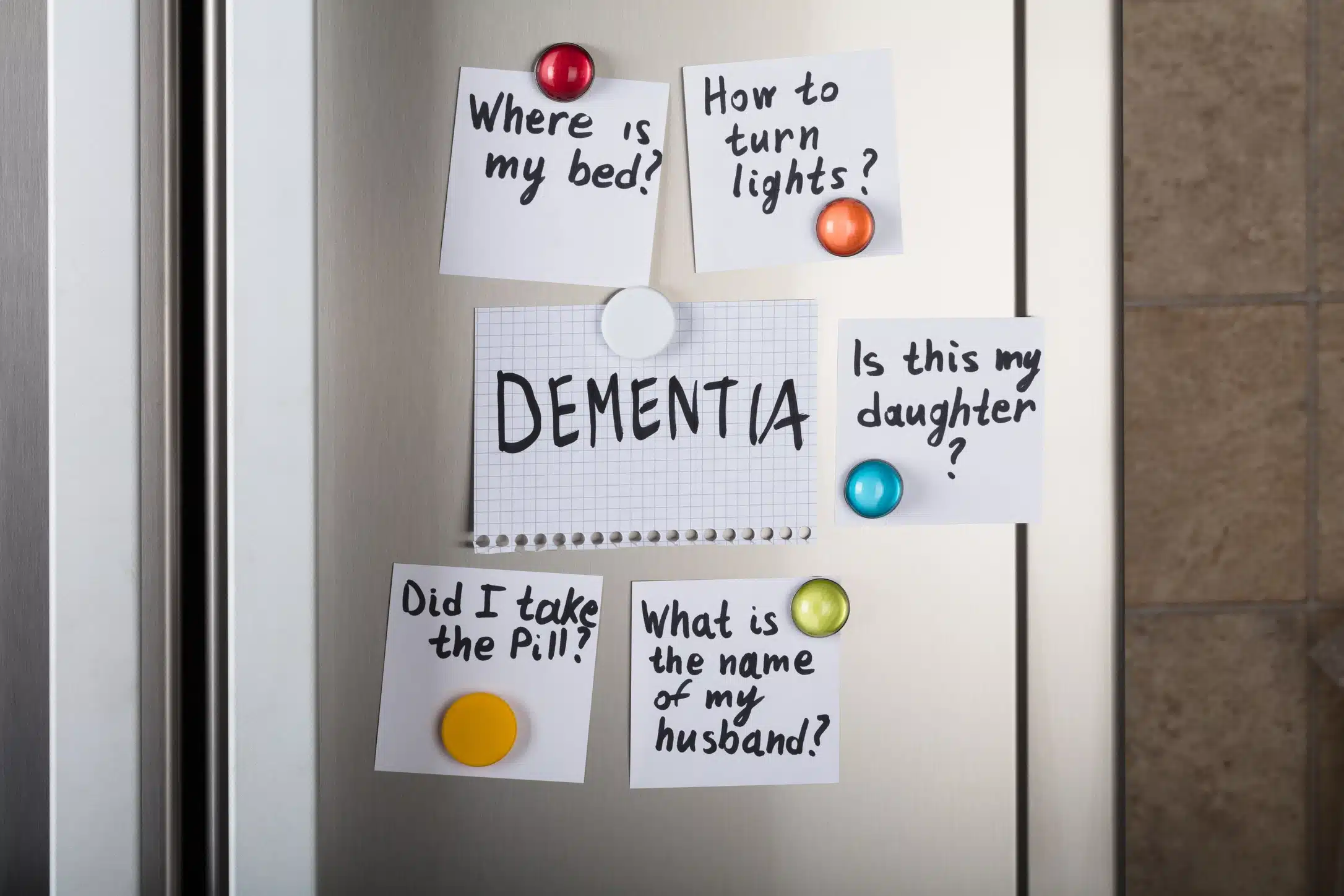
Sundowning, according to dementia UK, is a term used to describe a person with dementia becoming more confused, distressed, or unsettled later in the day. It often happens in the late afternoon, in the evening, or at night.
It can affect people in different ways. Some may pace around the home. Others may become tearful, suspicious, or worried. They may repeat questions, struggle to settle, or feel they need to leave. For some people, it happens often. For others, it may only appear during illness, stress, poor sleep, or changes in routine.
Although the word “sundowning” makes it sound like the sunset is the cause, it is usually more complex than that. The fading light may play a part, but tiredness, pain, hunger, noise, and changes in the brain can all add to the feeling of confusion.
Why Do Elderly People Get Disoriented at Night?
Many families ask: why do elderly people get disoriented at night? The answer is often linked to how the brain reads the world. During daylight hours, there are many clues that help a person feel safe. There may be visitors, meals, light through the windows, familiar sounds, and a clear sense of routine. As evening comes, some of these clues begin to fade. Rooms become darker. Shadows appear. Reflections in windows can look strange. A quiet home may suddenly feel unfamiliar.
For someone living with dementia, this can be hard to make sense of. Dementia can affect memory, sight, communication, and the body clock. This means the person may not know what time it is, where they are, or what they should be doing next.
Physical needs can also worsen sundowning. The person may be hungry, thirsty, tired, too hot, too cold, or in pain. They may need to use the toilet but be unable to explain why. If they have had a busy day, their brain may also feel worn out. By evening, they may have less energy to cope with noise, choices, or change.
This is why sundowning is not just about confusion. It is often the person trying to cope with a world that feels less clear than it did earlier in the day.
Common Signs of Sundowning
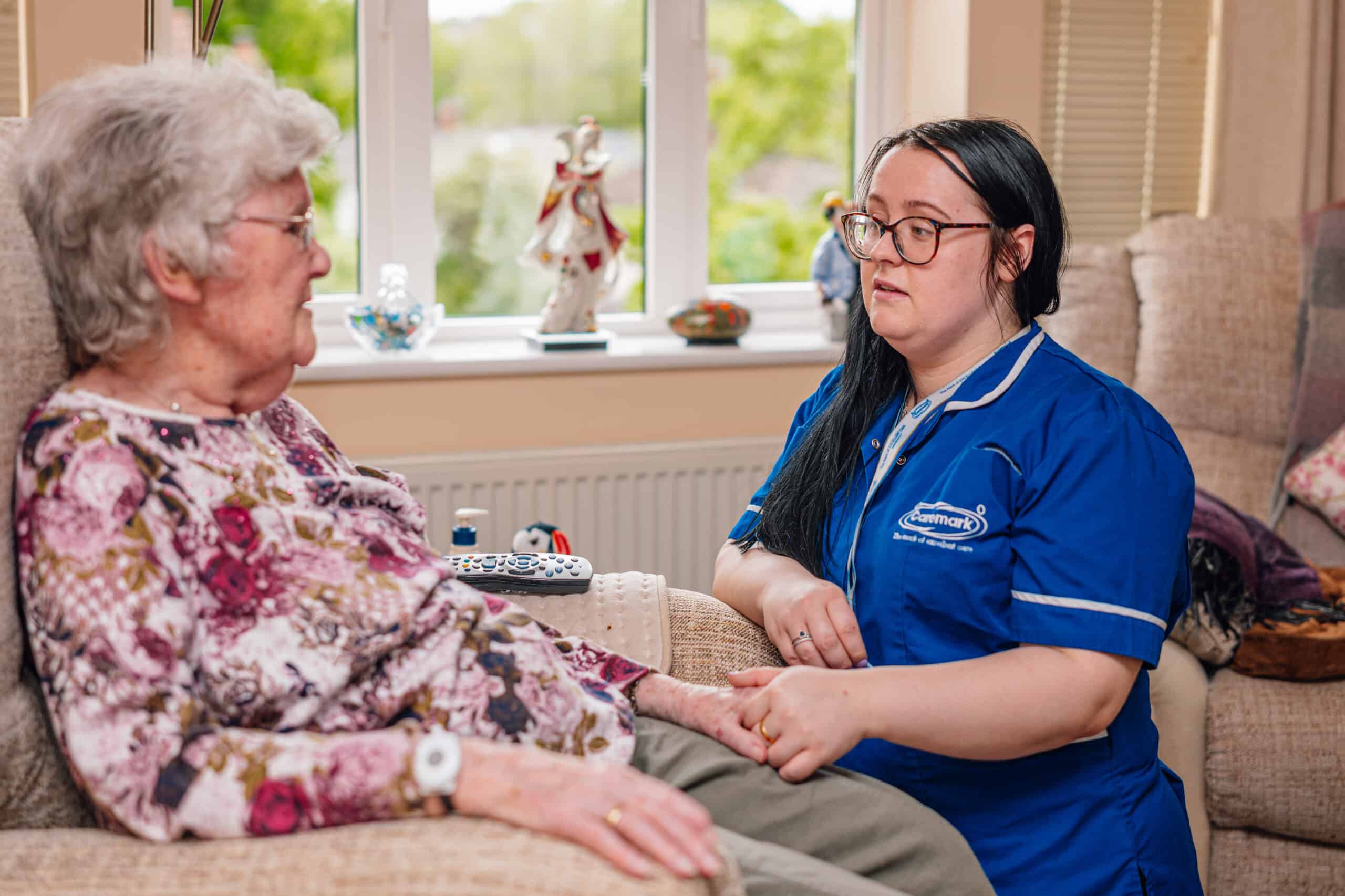
Sundowning does not look the same for everyone. Some changes may be small at first, while others can feel more intense. Common signs can include:
- Asking the same question again and again
- Saying they need to go home
- Looking for a parent, partner, or child
- Pacing from room to room
- Putting on a coat or shoes as if they need to leave
- Becoming anxious, tearful, angry, or suspicious
- Struggling to sleep or settle
- Seeing or hearing things that others do not
- Becoming more confused about time or place
These signs can be difficult for families, but they often have meaning. A person asking to “go home” may not mean a current address. They may be looking for comfort, safety, or a memory of home from many years ago.
In this way, behaviour can be a form of communication. Instead of asking, “How do we stop this?”, it can help to ask, “What might this person need right now?”
How to Support Someone with Sundowning
Supporting someone with sundowning often starts before the evening begins. A calm afternoon can make a big difference later in the day. Try to keep a simple routine. Meals, drinks, personal care, medication prompts, and rest can all help the person feel more settled. If possible, avoid too much noise or activity late in the day. A busy home, loud television, or several people talking at once can feel overwhelming.
Light can also help. Put lamps on before the room becomes dark, rather than waiting until dusk. Close curtains before reflections appear in the windows. Keep walkways clear and make sure the person can easily find the toilet.
It can also help to check for simple needs. Offer a drink, a snack, a toilet visit, or a warm blanket. If the person may be in pain, follow the advice given by their GP or pharmacist. Small acts of comfort can reduce distress before it grows.
When the person is upset, gentle reassurance is often better than correction. Try not to argue or explain too much. If they say they need to go home, saying “This is your home” may not help. A calmer response could be, “You are safe. I am here with you.” You might then guide them towards a familiar activity, such as looking through photos, listening to soft music, folding towels, or having a warm drink.
It can be useful to keep a short note of what happens each evening. Look at the time, food, sleep, visitors, noise, pain, and changes in routine. Patterns can help families understand what may be triggering the distress.
The aim is not to control the person. It is to support them in a way that respects their feelings and helps them feel secure.

When to Ask for More Help
Families should seek medical advice if sundowning starts suddenly or worsens significantly. A sudden change in confusion can sometimes be linked to an infection, pain, dehydration, constipation, medication changes, or poor sleep.
It is also important to seek help if the person is at risk of leaving home, falling, becoming very distressed, or not sleeping for long periods. Caring for someone with dementia can be emotional and tiring. Asking for support is vital. It is often an important step in keeping everyone safe and well.
Alzheimer’s and dementia care works best when it supports the person and the people around them.
How Caremark Can Help
At Caremark, we provide high-quality home care that is shaped around each person’s needs, routines, and wishes. Our kind care assistants can support people living with dementia in a calm, respectful, and person-centred way. This support may include help with personal care, meals, medication prompts, companionship, evening routines, and reassurance at home. For someone who experiences sundowning, having a familiar care assistant and a steady routine can help the later part of the day feel less confusing.
We understand that every person’s experience of dementia is different. That is why our care is flexible and built around the individual, helping them stay safe, comfortable, and as independent as possible. Would you like to learn more about the home care services we provide? Get in touch and discover how we can support you or someone you love. With over 140 offices across the United Kingdom, we can support someone living with dementia at home.
What To Read Next
- Learn About the 7 Stages of Frontotemporal Dementia
- Caring for Someone with Dementia at Home
- Discover the Benefits of Palliative Care for Patients with Dementia
- Joyful Minds: The Best Games for Dementia Patients
- What Are the Main Causes of Dementia?
- Alzheimer’s vs Dementia: What’s the Difference?
- 5 Winter Activities for People with Dementia
- 10 Ways Dementia May Present Near Life’s End
- Reducing Loneliness in Dementia Patients
- What is Dementia?
- How Is Dementia Diagnosed?
- Benefits of Arts and Crafts for Dementia