

Palliative Care or Hospice Care in Dacorum: Understanding the Difference

When a loved one is living with a life-limiting illness, families across Dacorum often face difficult decisions about the type of support that will best protect their comfort, wellbeing and dignity. Many families consider palliative care at home because it allows loved ones to remain in familiar surroundings while receiving personalised support. If you are exploring hospice care or palliative care at home in Dacorum, understanding the differences between hospice care and palliative care at home can help families in Hemel Hempstead, Berkhamsted, Tring, Kings Langley and surrounding communities make informed decisions that reflect their loved one’s wishes. In this article, you will learn the differences between hospice care and palliative care at home and discover which option may best support your loved one in Dacorum. If you wish to learn the differences between hospice care and palliative care at home and discover which option may best support your loved one in Dacorum, this guide is for you.
While both approaches focus on enhancing quality of life and managing symptoms, they differ in where care is delivered and how support is provided. Understanding these differences can help families make informed decisions that reflect the wishes and needs of their loved one.

What Is Hospice Care?
Hospice care is specialist support for individuals nearing the end of life. It is generally provided in a dedicated hospice setting where healthcare professionals focus on symptom management, pain relief, emotional support, and maintaining comfort.
The goal of hospice care is not to cure an illness but to ensure that the individual receives compassionate care and support during the final stages of life. Hospices also play an important role in supporting family members throughout the process. For more information about hospice services, visit Hospice UK: https://www.hospiceuk.org
What Is Palliative Care at Home and How Does It Work?
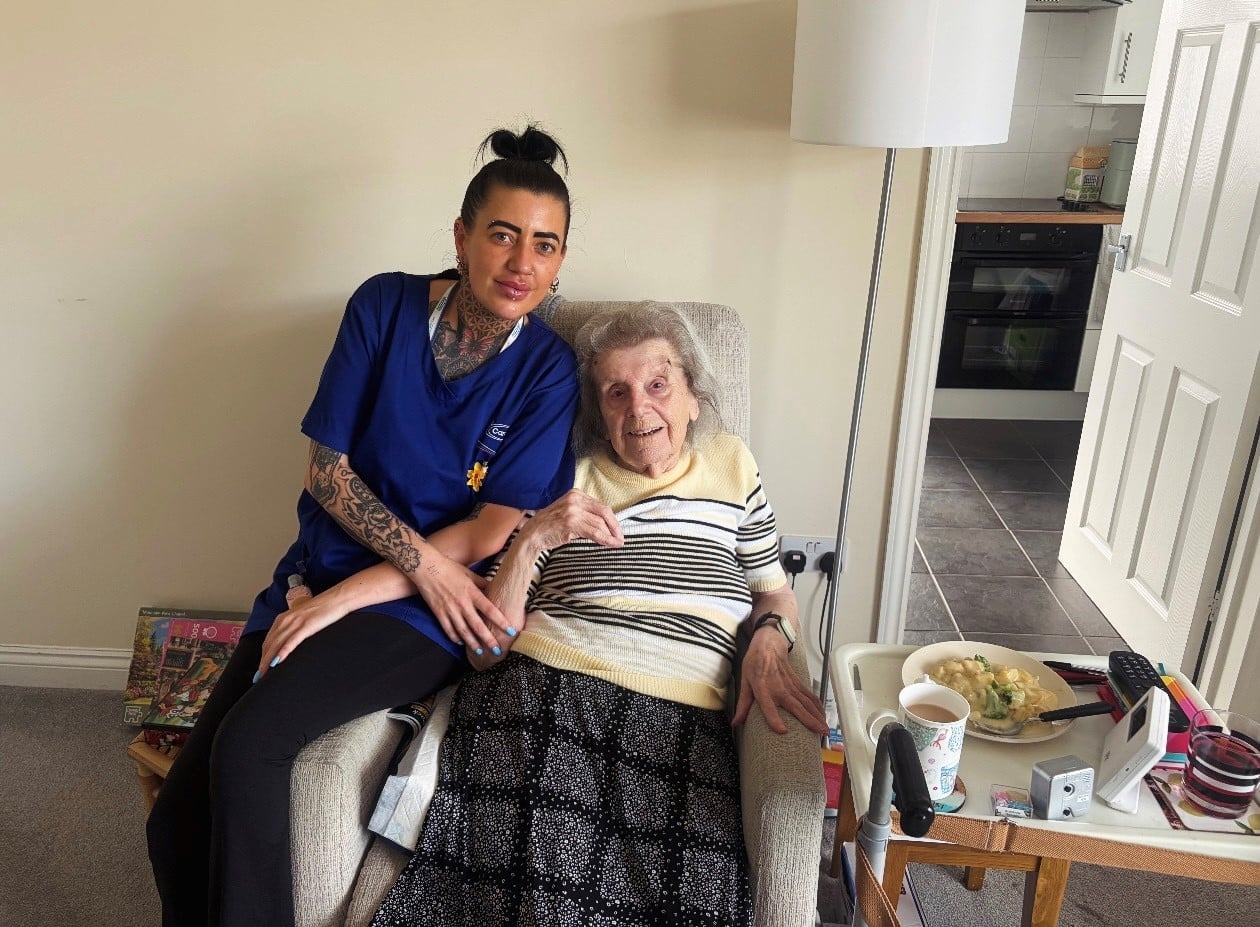
Palliative care at home allows individuals to receive end-of-life support within the comfort and familiarity of their own home. Care is tailored to the person’s needs and focuses on managing symptoms, reducing discomfort, and supporting emotional wellbeing.
For many people, remaining at home offers reassurance and comfort during a challenging time. Home-based care enables individuals to continue living in familiar surroundings while staying close to loved ones, treasured belongings, and cherished routines.
Hospice Care and Palliative Care at Home: What’s the Difference?
Although both forms of care share the same objective of improving quality of life, there are several key differences.
Location
Hospice care is provided within a specialist facility, while palliative care at home is delivered in the individual’s own residence.
Environment
At home, individuals remain surrounded by familiar sights, sounds, and routines. In a hospice, care is delivered in an environment designed specifically to support those approaching the end of life.
Family Time
Home-based care can make it easier for family and friends to spend meaningful time together in a relaxed and personal setting.
Flexibility
Home care support can be adjusted as needs change, ranging from occasional visits to live-in or around-the-clock care.
Benefits of Choosing Palliative Care at Home
Many families choose home-based care because it allows their loved one to remain in an environment where they feel most comfortable.
Benefits may include:
Familiar Surroundings
Being at home can help reduce stress and anxiety while providing comfort through familiar routines and surroundings.
Personalised Support
Care plans are tailored to the individual’s specific needs, preferences, and wishes.
Greater Independence
Remaining at home often allows people to maintain their preferred lifestyle and daily routines for as long as possible.
Meaningful Family Connections
Home care enables families to spend valuable time together in a familiar and private environment.
Flexible Care Options
Support can increase as care needs change, ensuring individuals receive the right level of assistance throughout their journey.
When Is Palliative Care at Home the Right Choice?
Home-based palliative care may be a suitable option if:
- Your loved one wishes to remain in their own home.
- Familiar surroundings provide comfort and reassurance.
- Being close to family and friends is particularly important.
- Privacy and personal choice are a priority.
- The home environment can safely support their care requirements.
Every person’s situation is unique, so it is important to consider individual preferences and professional advice when making care decisions. The NHS provides additional information about palliative and end-of-life care.
Supporting Quality of Life
End-of-life care is about much more than managing physical symptoms. It is also about preserving dignity, respecting personal wishes, providing emotional support, and helping families navigate a difficult period with confidence and compassion.
The right care can make a significant difference, ensuring that individuals feel supported, comfortable, and valued while giving families peace of mind.
Supporting Families Receiving Palliative Care at Home in Dacorum
Families across Hemel Hempstead, Berkhamsted, Tring, Kings Langley, and the wider Dacorum area are increasingly exploring home-based palliative care as an alternative to residential settings.
For many people, remaining at home offers the opportunity to stay close to the people, places, and memories that matter most while receiving professional support tailored to their needs. We are also setting up wellbeing hubs across Dacorum, which are free for everyone. For many families, palliative care at home provides the balance of professional support and personal comfort that is difficult to achieve elsewhere. By receiving care in familiar surroundings, individuals can remain close to family members, treasured possessions and established routines.