

Winter Wellbeing: A Friendly Guide for Older Adults and the People Who Care About Them

Winter can be a lovely season – cosy blankets, hot drinks, and time to slow down, but it can also bring a few extra challenges. Cold homes, darker days, and slippery pavements can make life feel a bit harder, and it’s completely normal to need a little extra support during the colder and wetter months. But, winter doesn’t have to feel overwhelming. With a small amount of forward planning and some savvy home adjustments, you and your loved ones can remain comfortable, safe and connected during these months. This friendly winter wellbeing guide for older adults is for you – whether you’re an older adult wanting to stay well and connected, or a family member who wants to help an older loved one feel safe, comfortable, and supported.
Winter Wellbeing for Older Adults Tip 1 – Keeping Warm and Comfortable at Home
A significant drop in temperature can affect us all, even if you don’t have an underlaying health condition. Staying warm isn’t just about comfort; it also helps keep you healthy. Try and ensure the rooms you use most, especially the living room and bedroom are at a comfortable temperature – 18-21° is just about right. Wearing layers of clothing instead of just one thicker layer is best, warm socks, slippers and a cosy blanket can make a big difference too.
A few small home comforts can also make a big difference here. Rechargeable or microwave friendly handwarmers are great for cold fingers. The trusty hot water bottle also comes into its own but check that the seals are not disintegrating; it’s probably worth replacing these every 2-3 years or so!
If you use heaters or electric blankets, check they’re in good working order and placed safely away from anything that could catch fire. Remember, a big ‘no no’ is using a hot water bottle at the same time as an electric blanket – for obvious reasons, water and electricity DON’T MIX!
Electric heaters and electric blankets are relatively inexpensive to run and ideal for helping to keep you warm while sitting in your favourite armchair. And now’s the perfect time to check your smoke alarms or heat detectors or get a family member to do this for you.
Simple things like placing draught excluders around the doors and window frames often gets forgotten as does closing curtains at dusk to retain the heat in the room.
For families
A quick visit to feel whether the home of your relative/loved one is warm enough, or helping with boiler checks, can make a huge difference to them.
Winter Wellbeing for Older Adults Tip 2 – Looking After Your Mood
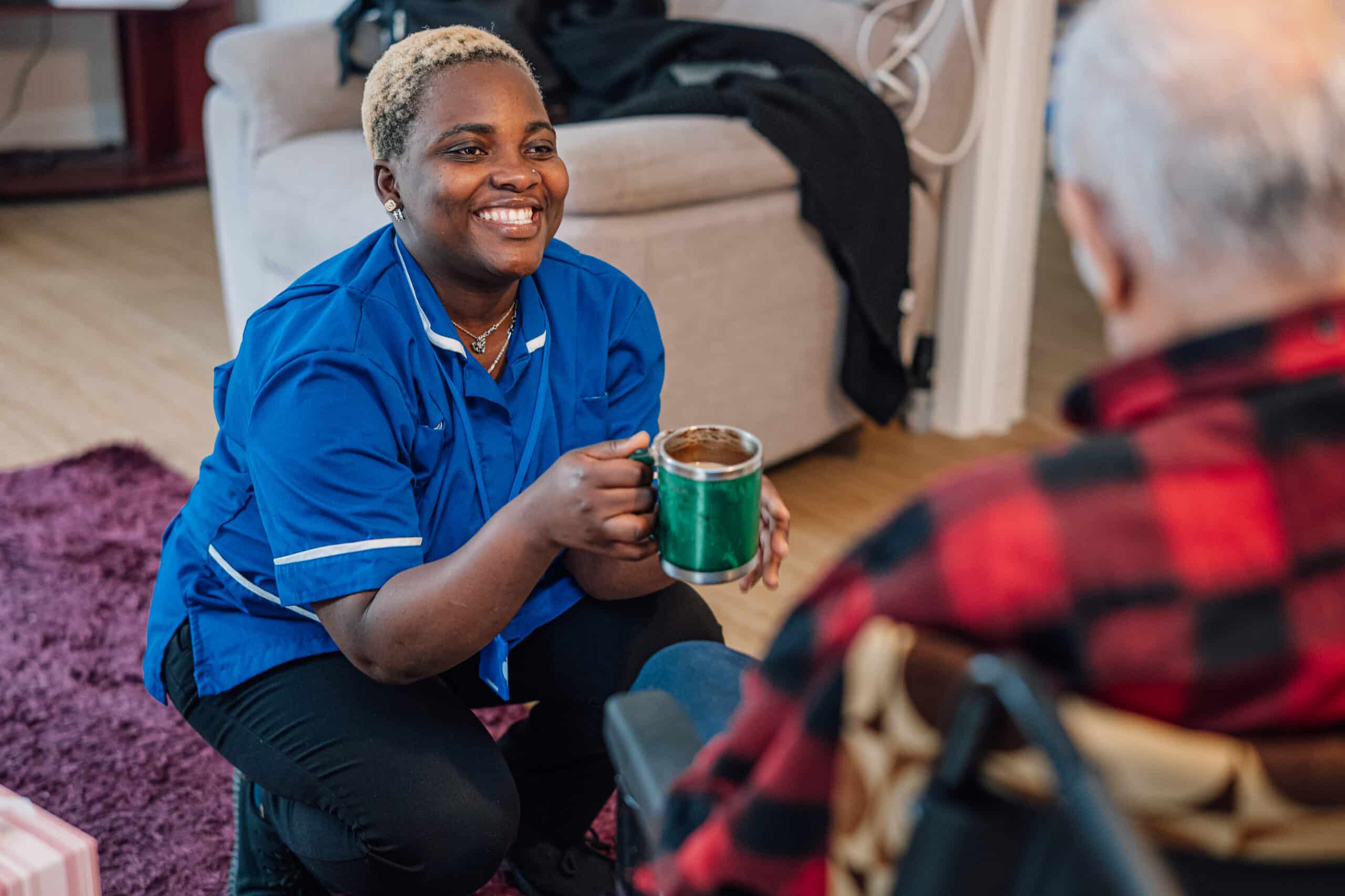
The longer, darker days can affect energy, motivation and mood for many people, especially as you get older, so if you’re feeling a little flat, you’re not alone!
A few simple changes can help. Opening the curtains early to let the daylight in, keeping up a gentle daily routine and finding something enjoyable to do each day help give structure which can really boost our mood.
Perhaps you could think about trying out a new hobby, such as playing some music or learning a new craft? Or if you want to bring the outside in, why not set up a bird feeding station which is visible from the window or start growing herbs or simple houseplants?
They say ‘phone a friend’ is good for moral, well it certainly is, as is having a regular baking day and trying out some new recipes from a favourite cookbook.
Winter Wellbeing for Older Adults Tip 3 – Staying Connected
When it’s icy or damp and cold outside, it’s natural to want to stay indoors more. However, this can make us feel cut off from our loved ones. Regular phone calls, or video chats, which can be easily set up by a close family member, or joining an online group can help you stay connected without stepping outside. You might also consider taking part in online courses or talks – these can spark new interests and help the winter months feel stimulating rather than slow or boring. Organisations like Age UK and Re-Engage offer clubs, tea parties and online support.
And it’s okay if you’re not confident with technology! Learning just one simple task; how to answer a video call, can help you stay close to family even if the weather is bad outside.
For families
Setting up a phone or tablet so it’s easy to use – or planning a weekly call – can help your loved one feel supported.
Winter Wellbeing for Older Adults Tip 4 – Staying Safe Indoors and Outside
Alongside the bad weather and the darker days also comes the additional hazard of wet, icy and slippery pavements and paths, darker afternoons and poor external lighting. A few simple steps, however, can help alleviate some of these issues – small changes can have a big impact on your loved one’s safety.
Inside, these include clearing hallways and stairs, securing loose rugs, removing clutter and checking that any mats are non-slip. If possible, try and improve the lighting in darker corners, add night lights in bedrooms, bathrooms and hallways. If you can safely go outside, try walking when paths are dry and well-lit and consider installing extra external lighting. Wearing supportive footwear with good grip will also help prevent slips and falls.
You could also consider wearing a personal alarm or having a home monitoring system installed for you and your loved one’s peace of mind; should they fall, help can be summoned quickly. A walking stick or walking frame can also be used for extra safety.
Remember, take your time, use handrails, and don’t hesitate to ask someone for help with tasks like taking out the bins on icy days.
For families
Consider contacting the local authority about free or subsidised equipment that your loved one might be entitled to through an Occupational Therapy assessment.
Tip 5 – Eating Well for Energy and Warmth
Warm meals can boost comfort and wellbeing. Soups, stews, casseroles, porridge, and hot drinks are all brilliant winter choices – and easy to make in batches. A well-stocked fridge and freezer is vital and should be high on your list of priorities. But, if cooking feels tiring or overwhelming, accepting help from family and neighbours with shopping or meal preparation is sensible. Buying meals from companies like Wiltshire Farm Foods, Cook or Parsley Box ensure that you will get a hot meal and make eating on days when your energy is low far simpler.
Don’t forget to drink enough, even when you’re not thirsty; dehydration is common in winter because cold weather masks thirst.
Tip 6 – Keeping Active and Mobile
You don’t need to go out for long walks to stay active. A few minutes of movement throughout the day can help with warmth, balance, and mobility. Indoors, simple stretches, marching on the spot, or chair-based exercise can keep your body moving.
The important thing is regular little bits, not big workouts.
Tip 7 – Finding Warm, Welcoming Community Spaces
Many communities offer winter events like lunch clubs, warm hubs, and coffee mornings. These can be great places to enjoy a warm drink, see familiar faces, and meet new people. Libraries often run friendly activities too – from crafts to book groups.
For families
If your loved one struggles to get out, volunteer drivers or befriending services may be available locally.
Tip 8 – A Little Winter Planning Goes a Long Way
Checking medication supplies, making sure emergency numbers are easy to find, and keeping a few cupboard staples on hand can make winter feel much less stressful. A torch and plenty of spare batteries are always handy to keep nearby as well.
For Families: Gentle Support That Feels Respectful
Supporting an older loved one works best when it feels like teamwork. Asking what would help, offering practical choices, or helping with tasks like heating checks, lights, or tech setup can all help someone stay independent.
Look out for signs that extra support might be needed for example, a colder home than usual, changes in appetite or mood, or recent slips or falls.
However, it may be that a bit more help around the home would make the winter months safer, less stressful and also provide that additional much needed company if family are not around. Hourly or daily home care can support with personal care, dressing, medication, meals and mobility, whilst 24-hour live-in care offers families reassurance that their loved ones are being fully supported to remain as independent as possible for as long as possible in the comfort of their own homes.
Tip 9 – A Final Thought on Winter Wellbeing for Older Adults
Winter doesn’t have to feel lonely or overwhelming. With warmth, good food, movement, and a little help from family, friends, and the community, it can be a season filled with comfort, connection, and confidence.
Whether you’re reading this for yourself or for someone you love, remember: small, caring steps each day make all the difference.
About Caremark Cheltenham
We do hope our Winter Wellbeing for Older Adults guide has helped you and/or an older relative or friend. If you need any other support or guidance, please do not hesitate to get in touch with us below.