

Practical Tips for Home Safety in Camden When Caring for Older Relatives
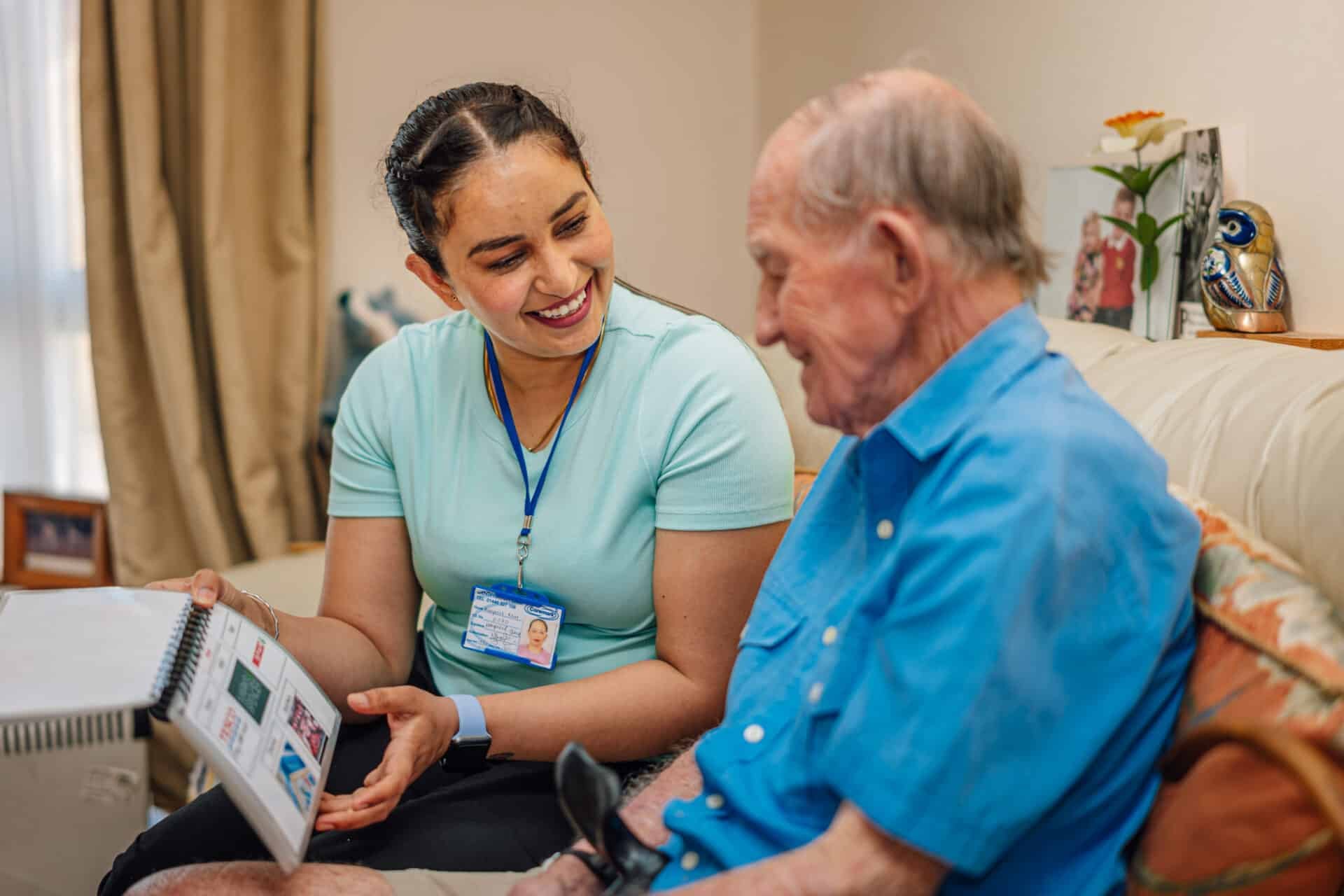
Keeping Camden homes safer, calmer and more confident for ageing loved ones starts with focusing on home safety in Camden.
Who Needs This Guide?
Older relatives living in Camden who:
- Staying safe at home
- Remaining socially connected
- Accessing community spaces
- Receiving personalised support
- Maintaining mobility and confidence
- Having regular wellbeing checks
- Feeling valued and included
And equally, family carers who want practical, simple steps to make home safer without turning it into a clinical environment.
As Gunita Soni, Managing Director of Caremark Camden, expresses it clearly:
“Safety at home is not about removing independence it’s about enabling it. Small changes make a big difference.”
What Are the Most Important Home Safety Tips for Older Relatives in Camden at Risks?
Camden home care safety for older buildings, converted flats or narrow terraced houses. The most common risks we see include:
- Slippery floors or loose rugs
- Poor lighting in hallways or staircases
- Cluttered walkways
- Hard‑to-reach items
- Unstable furniture
- Bathrooms without grab rails
- Medication stored unsafely
- Lack of hydration reminders
- No emergency plan or contact system
These risks are small individually but together, they increase the chance of falls, confusion and accidents.
Where Should You Start? (Room‑by‑Room Safety)?
A Camden home can be made safer with simple, low‑cost adjustments.
1. Hallways & Entrances
- Remove clutter and shoes
- Add motion‑sensor lights
- Ensure mats are non‑slip
2. Living Room
- Secure rugs
- Keep remote controls, glasses and phones within reach
- Avoid furniture with sharp corners
3. Kitchen
- Store frequently used items at waist height
- Label containers clearly
- Use kettles with auto‑shutoff
4. Bathroom
- Install grab rails
- Use non‑slip mats
- Consider a raised toilet seat
5. Bedroom
- Keep a bedside lamp within reach
- Ensure clear pathways to the bathroom
- Use a bed rail if needed
Caremark Camden emphasises that support is built around daily life, not the other way around.
As Gunita Soni, Managing Director of Caremark Camden, says:
“Families often think safety requires big changes. In reality, 80% of improvements come from small, thoughtful adjustments.”
When Should You Review Home Safety For Older Relatives in Camden?
Safety tips for older relatives at home isn’t a one‑time job. Review it:
- After a fall
- After hospital discharge
- When mobility changes
- When memory becomes inconsistent
- When a loved one starts living alone
- Every 3–6 months as a routine check
A proactive approach prevents accidents before they happen.
How to Make Camden Home Care Safe (Practical, Actionable Tips)?
1. Reduce Fall Risks
Falls are the number one cause of injury for older adults. Use Falls Prevention Support to guide your home setup.
Practical steps:
- Install grab rails
- Use non‑slip flooring
- Keep walking aids within reach
- Encourage hydration (dehydration increases falls)
2. Improve Lighting
Camden homes often have narrow hallways and older lighting.
- Add brighter bulbs
- Use night lights
- Install motion sensors
3. Simplify the Home Layout
- Remove unnecessary furniture
- Keep essential items visible
- Avoid rearranging furniture (confusing for dementia)
4. Medication Safety
- Use labelled pill organisers
- Store medication in one place
- Set reminders or use automated dispensers
5. Support Memory & Routine
For dementia or mild memory loss, consider Dementia Support.
- Use large‑print labels
- Keep routines consistent
- Place clocks and calendars in visible areas
6. Emergency Preparedness
- Keep emergency numbers by the phone
- Use fall‑alert devices
- Share a simple emergency plan with family
How Caremark Camden Helps Families Keep a Safe Home Environment For Older Relatives?
Our care assistants are trained to spot risks families often miss.
We support with:
- Falls prevention routines
- Hydration and nutrition monitoring
- Medication prompts
- Mobility support
- Dementia‑friendly home adjustments
- Daily reassurance visits
- Emergency planning
- Safety assessments
As Gunita Soni, Managing Director of Caremark Camden, says:
“Our role is to help families feel confident. When a home is safer, everyone sleeps better including the older relative.”
Camden‑Specific Safety Tips For Older Relatives At Home?
These Camden‑specific insights increase local relevance:
1. Narrow Hallways in Camden Terraces
- Use slimline furniture and wall‑mounted storage.
2. Converted Flats with Multiple Levels
Install stair rails on both sides and ensure lighting is bright.
3. Camden High‑Street Living
Noise and activity can confuse older relatives use blackout curtains and sound‑reducing materials.
4. Victorian‑Era Bathrooms
Often slippery non‑slip mats and grab rails are essential.
5. Camden’s Busy Streets
Encourage accompanied outings for confidence and safety.
Conclusion – Practical Tips for Home Safety in Camden When Caring for Older Relatives
Creating a safe home environment for older relatives in Camden doesn’t require major renovations it requires awareness, consistency and small, thoughtful adjustments that make daily life easier, calmer and more predictable. From improving lighting and reducing fall risks to supporting memory, hydration and routine, these practical steps help older adults stay independent in the homes they love.
Camden’s unique housing converted flats, Victorian terraces, busy high‑street living means families benefit from a personalised approach to safety. When homes are adapted with care, older relatives feel more confident, families feel reassured, and daily life becomes smoother for everyone involved.
As Gunita Soni beautifully puts it:
“Home safety is one of the most powerful ways families can protect independence. When a home feels safe, older adults feel secure and that confidence transforms everything.”
With the right guidance and small changes, Camden families can create safer, more supportive homes that help older relatives live with dignity, confidence and independence.
About Caremark Camden
Caremark Camden provides high‑quality home care across the borough. Our Camden Customer Promise ensures dignity, continuity, safety and personalised care for every individual. If you would like guidance on choosing between home care and residential care, our team is here to help.
Our Launch Offer – Support That Starts With You
Caremark Camden is now open, and we’re celebrating with a launch offer designed to help residents get the wellbeing support they need from day one for Companionship, Home Help and Community Access. For a limited time, new customers can benefit from a free care assessment, enjoy their first week at a reduced rate, and receive a free wellbeing check to help them stay safe, confident and independent at home. It’s our way of welcoming Camden into a new standard of care one that starts with you.
Most people want to stay in the place they love most—their own home. It’s where memories live, daily routines are cherished, and independence truly thrives..
In this video, Sandeep Gulati from Caremark Camden, the team explains how localized home care and live-in care services empower individuals of all ages across the London Borough of Camden to live safely, confidently, and comfortably at home
💙 Home Is Where Independence Thrives: Personalised & Live-in Care Home Safety in Camden
- Rooted in the Camden Community: Caremark Camden is a dedicated local provider focused entirely on supporting individuals and families across the London Borough of Camden.
- Personalised & Person-Centered Support: Care plans are shaped around individual routines, personal preferences, and lifestyle needs never treated as a rigid “list of tasks”.
- Flexible Care Solutions: Services adapt to every level of need, from quick check-ins and daily support to full-time live-in care.
- Specialist & Complex Care: Fully trained staff support individuals with conditions such as dementia, Alzheimer’s, learning disabilities, physical disabilities, and end-of-life care.
- Focus on Emotional Safety & Dignity: Every visit prioritises warmth, respect, patience, and emotional reassurance, treating clients with the same standard of care one would expect for their own family.
Ready to learn more or book a care assessment with Caremark Camden?
📞 Call us at 020 4631 6066
✉️ Email us at camden@caremark.co.uk
Caremark Camden: Step‑by‑Step Care Assessment Process
Why This Process Works So Well in Camden
Gunita Soni, Managing Director of Caremark Camden, summarises it perfectly:
“A care assessment isn’t a checklist it’s a conversation. We listen, we understand, and we build support around the person’s life, not the other way around. When families need us, speed and reassurance matter equally.“
Warm, clear, and designed for speed when families need us most.
- Initial Contact
Get in Touch via Call or enquire onlineThis is where everything begins.
What happens at this stage:
– A family member, professional or the individual themselves contacts Caremark Camden.
– The team gathers basic information: name, location, needs, urgency, and preferred times.
– You receive reassurance, clarity and an immediate plan for next steps.
– If the situation is urgent, the team accelerates the process.
Purpose:
To understand the situation quickly and give families confidence from the very first conversation. - Free Home Assessment
We listen and understand needsThis is the most important part of the process.
What happens during the assessment:
– A Care Manager or Field Care Supervisor visits the home.
– They listen carefully to the individual and family.
– They assess daily routines, mobility, medication, home layout, risks, preferences and cultural needs.
– They identify strengths, challenges and safety considerations.
– They discuss goals: independence, confidence, recovery, companionship, or respite.
– They explain how Caremark Camden can support clearly and without pressure.
Purpose:
To build a complete picture of the person, their home environment and their wellbeing needs. - Risk Assessment
A structured safety review to protect the individual and the care teamWhat is checked:
– Falls risks
– Mobility and transfer safety
– Medication risks
– Home hazards
– Nutrition and hydration concerns
– Skin integrity
– Emergency planning
– Equipment needs (hoists, grab rails, walking aids)
Purpose:
To ensure care is safe, compliant and tailored to the person’s abilities and environment. - Person‑Centred Care Plan
Your Care Plan Personalised: person‑centred planWhat the care plan includes:
– Daily routines
– Personal care needs
– Medication prompts
– Mobility support
– Nutrition and meal preferences
– Cultural, religious and personal preferences
– Communication needs
– Family involvement
– Visit schedule
– Goals (confidence, independence, recovery, wellbeing)
Purpose:
To create a clear, personalised roadmap that every care assistant follows. - Matching the Right Care Assistant
Consistency, familiarity and trust from day oneWhat happens:
– The team selects a care assistant whose personality, skills and availability match the client.
– Whenever possible, the same care assistant attends regularly.
– Families are informed before care begins.
Purpose:
To build trust, comfort and continuity essential for Camden residents. - Care Begins
Your regular carer starts on timeWhat happens on the first visit:
– The care assistant arrives on time.
– They introduce themselves warmly.
– They follow the care plan exactly.
– They provide reassurance and build rapport.
– They record notes for transparency and family updates.
Purpose:
To ensure a smooth, confident start with no stress or uncertainty. - Ongoing Monitoring & Wellbeing Checks
Continuous improvement and early interventionWhat is monitored:
– Changes in mobility
– Medication adherence
– Nutrition and hydration
– Mood and emotional wellbeing
– Home safety
– Family feedback
– Care assistant feedback
Purpose:
To catch issues early, prevent crises and keep the individual safe and independent. - Regular Reviews
Adjusting care as needs evolveWhat happens:
– Formal reviews every 3–6 months
– Immediate reviews if needs change
– Updates to the care plan
– Family involvement in every decision
Purpose:
To ensure care remains relevant, effective and person‑centred.
Key Takeaways From This Article for Home Safety in Camden:
- Small home adjustments create big safety improvements – simple changes like better lighting, non‑slip mats and decluttered walkways significantly reduce fall risks for older relatives living in Camden.
- Camden’s unique housing needs tailored safety solutions – narrow hallways, converted flats and Victorian‑era bathrooms require specific, practical adaptations to keep older adults safe and confident at home.
- Routine, hydration and memory support are essential – consistent daily habits, clear labelling and hydration reminders help prevent accidents and support independence, especially for relatives with early‑stage dementia.
- Professional guidance strengthens home safety – Caremark Camden’s tiered support packages offer structured falls prevention, dementia‑friendly routines and wellbeing monitoring to help families maintain safer, more supportive homes.
Related Caremark Camden Articles:
- What Makes Ageing Well in Camden Truly Possible
- Life at Home in Camden: Staying Safe, Supported and Independent
- Supporting Quality of Life in Camden
- Difference Between Home Care and Care Homes in Camden
- Supporting Independent Living in Camden
- Our Commitment to Community Support in Camden
- Why Camden Families Choose Caremark for Home Care Support?
- Life of a Caremark Camden Care Assistant
- A Day in the Life of a Companion in Camden