

Dementia Communication Techniques: Practical Tips for Carers
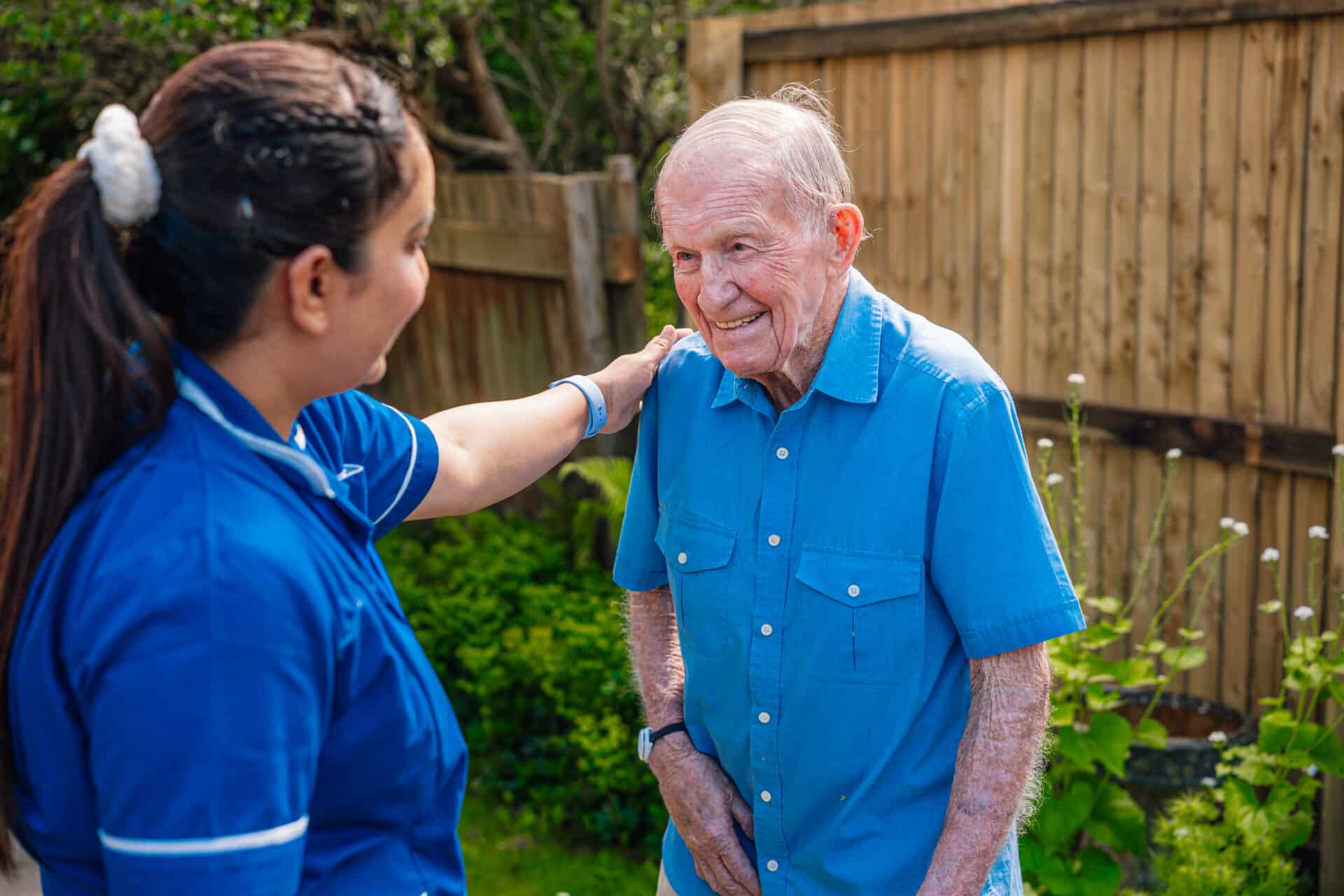
Communicating with a loved one living with dementia can feel like navigating an unfamiliar landscape. As the condition progresses, familiar pathways of conversation can change, leading to frustration and disconnection for both carers and the person they support. The key isn’t to force communication back to how it was, but to adapt and learn a new language, one built on empathy, observation, and specialised techniques. This requires shifting our approach from correcting to connecting, and from memory-based questions to emotion-focused validation.
This guide is designed for family carers and professional care providers alike, offering a comprehensive roundup of effective dementia communication techniques. We will move beyond generic advice to provide specific, actionable strategies that you can implement today to foster understanding, reduce distress, and rediscover meaningful connections. Understanding these methods is essential for creating a supportive and calming environment, transforming potentially stressful interactions into moments of reassurance and shared experience.
For those providing care in areas like Bromley, Beckenham, and Orpington, these skills are fundamental to delivering the compassionate, person-centred support that defines high-quality dementia care. In this article, you will learn practical skills to:
- Validate feelings instead of correcting facts.
- Use memories to build rapport and comfort.
- Employ sensory and visual aids to aid comprehension.
- Master non-verbal cues to understand unspoken needs.
By embracing these powerful techniques, you can significantly enhance your ability to connect with a person living with dementia, ensuring they feel heard, valued, and safe throughout their journey. We will explore each strategy in detail, providing clear examples and practical steps to help you put them into practice immediately.
1. Validation Technique
The Validation Technique is a powerful, person-centred approach that prioritises emotional truth over factual accuracy. Developed by social worker Naomi Feil, it involves acknowledging and accepting the feelings and reality of a person living with dementia, rather than correcting or arguing with them. This method creates a safe, empathetic space where the individual feels heard, respected, and understood, which can significantly reduce agitation and distress.
At its core, validation is about stepping into the other person’s world. Instead of trying to pull them back into our reality, which can cause confusion and frustration, we meet them where they are. This approach recognises that the emotions behind their words or actions are real, even if the context seems factually incorrect to us.
How to Apply the Validation Technique
Implementing this dementia communication technique requires empathy and a shift in mindset away from correction. The goal is to connect with the underlying emotion.
- Listen Actively and Empathetically: Pay close attention not just to the words being said, but to the emotion behind them. Is the person anxious, sad, or happy?
- Reflect Their Feelings: Acknowledge the emotion you observe. For example, if your loved one is searching for their deceased mother, instead of saying, “Your mother passed away years ago,” you could say, “You must miss her very much. Tell me about her.”
- Use Non-Verbal Cues: Maintain gentle eye contact, use a calm tone of voice, and offer a comforting touch if appropriate. Your body language should convey acceptance and support.
- Ask Open-Ended Questions: Encourage them to share more about their reality. Instead of “Why do you need to go to work?”, try “What was your favourite part about your job?” This redirects the conversation while validating their feelings.
Real-World Example
A Caremark Bromley client living with dementia insists it’s 1975 and she needs to get ready for a party.
- Instead of Correcting: “It’s not 1975, it’s 2024. You don’t have a party tonight.” (This would likely cause confusion and agitation.)
- Using Validation: “A party sounds wonderful! What kind of dress are you going to wear? I bet you always looked so glamorous.”
This response validates her feelings of excitement and connects with her on an emotional level, gently redirecting the focus without causing conflict. Our team is trained in these nuanced approaches, which form a key part of our person-centred dementia care in Bromley. By validating the reality of the person with dementia, we build trust and foster a more positive and peaceful environment.
2. Reminiscence Therapy
Reminiscence Therapy is a meaningful dementia communication technique that involves discussing past activities, events, and experiences with a person. It is often a joyful and engaging process that uses sensory prompts like old photographs, familiar music, or cherished objects to tap into long-term memories, which typically remain more intact than short-term memory as dementia progresses. This approach helps to stimulate the mind, reinforce identity, and create valuable moments of connection.
This therapeutic method is about more than just remembering; it’s about affirming a person’s life and experiences. By encouraging someone to share stories from their past, we show them that their life history is important and valued. This can significantly improve mood, reduce agitation, and provide a sense of comfort and self-worth, making it an essential tool in person-centred care.
How to Apply Reminiscence Therapy
Using this technique effectively involves creating a comfortable and supportive atmosphere where memories can be shared freely without pressure or judgement.
- Use Sensory Triggers: Gather items that can spark memories, such as family photo albums, music from their youth, familiar foods or scents, or objects related to past hobbies or work.
- Ask Open-Ended Questions: Encourage storytelling rather than simple yes or no answers. For example, instead of asking “Do you remember this?”, try “This photo is lovely. Tell me about this day.”
- Be an Active Listener: Show genuine interest in their stories. Nod, smile, and provide verbal encouragement. The goal is connection, not a memory test.
- Create a Life Story Book: Work with family members to create a book or box containing photos, mementos, and key facts about the person’s life. This becomes a wonderful resource for carers and visitors.
Real-World Example
A Caremark Bromley carer is assisting a client in Beckenham who seems withdrawn and quiet. The carer notices a black-and-white wedding photograph on the mantelpiece.
- Instead of Ignoring It: The carer could continue with the task at hand, missing an opportunity for connection.
- Using Reminiscence: The carer says, “That’s a beautiful wedding photograph. You both look so happy. What was your wedding day like?”
This simple, open-ended question can unlock a treasure trove of positive memories, transforming the atmosphere from one of routine care to a moment of shared human experience. Our care team understands how to integrate these dementia communication techniques into daily support, helping to improve the overall well-being of our clients across the Bromley area. This focus on individual history is a cornerstone of our specialised dementia care services.
3. Montessori-Based Dementia Activities
The Montessori approach, traditionally associated with childhood education, has been thoughtfully adapted to create a powerful framework for dementia care. This method focuses on engaging individuals in purposeful, hands-on activities that are tailored to their skills and interests. Rather than focusing on what a person has lost, Montessori-based activities are designed around their remaining abilities, promoting independence, self-esteem, and a sense of contribution.
This technique is a form of non-verbal dementia communication that speaks volumes. It communicates respect for the individual’s capabilities and acknowledges their need for meaningful engagement. By providing structured, familiar tasks, it can reduce anxiety and agitation, creating a calm and productive environment where the person feels valued and successful.
How to Apply Montessori-Based Activities
Implementing this approach involves careful observation and preparation to create activities that resonate with the individual’s past and present abilities. The goal is connection through shared, meaningful action.
- Observe and Personalise: Identify activities that relate to the person’s past hobbies or career. A former office worker might enjoy organising papers, while a keen gardener may find joy in arranging flowers.
- Create an Organised Space: Keep materials for an activity neatly arranged and accessible on a tray or in a basket. This reduces confusion and provides a clear visual cue for the task.
- Demonstrate, Don’t Just Explain: Use simple, clear, and slow physical demonstrations of the task. Break it down into single steps, inviting participation without overwhelming them with verbal instructions.
- Use Real Materials: Provide real tools and objects rather than toy versions. Folding actual laundry, sorting real nuts and bolts, or polishing silverware feels purposeful and respectful.
- Focus on the Process, Not the Outcome: The value is in the doing, not in the perfect completion of the task. Allow the person to work at their own unhurried pace, and acknowledge their effort and engagement.
Real-World Example
A Caremark Bromley client in West Wickham who used to love baking becomes restless in the afternoon.
- Instead of Passive Distraction: Turning on the television. (This may not be engaging and can sometimes increase agitation.)
- Using a Montessori Approach: The carer sets up a tray with a bowl of flour, a cup of sugar, and a sifter. They invite the client to help by saying, “I could use some help preparing this. Would you like to sift the flour?”
This simple, sensory-rich activity connects to a cherished memory, provides a sense of purpose, and uses familiar motor skills. It’s a wonderful example of how our specialist dementia carers can integrate meaningful tasks into daily routines. Beyond structured Montessori approaches, integrating other forms of engagement can also be highly beneficial. For example, you can explore various engaging art activities for seniors with dementia to provide creative and sensory stimulation.
4. Positive Reframing and Positive Language
Positive Reframing is a dementia communication technique that deliberately shifts perspective to focus on what a person can do, rather than what they have lost. It involves using affirmative, capability-focused language to enhance cooperation, reduce stigma, and improve the individual’s sense of self-worth. This approach acknowledges challenges while actively promoting dignity and hope.
At its core, this method changes the narrative from one of decline to one of continued ability and value. By consciously choosing positive words and framing situations constructively, carers can profoundly impact the emotional well-being of a person living with dementia. It transforms communication from a list of limitations into a celebration of remaining strengths.
How to Apply Positive Reframing
Implementing this technique requires mindfulness and a commitment to seeing the person beyond their diagnosis. The goal is to build confidence and foster a supportive atmosphere.
- Focus on Strengths: Acknowledge and praise what the person can still do. Instead of saying, “She can’t garden properly anymore,” a carer might tell the family, “Your mother is still enjoying her time in the garden.”
- Use Invitational Language: Frame requests as invitations rather than commands. “Let’s take a walk together” is much more collaborative and respectful than “You need to get some exercise.”
- Reframe ‘Difficult Behaviour’: Understand that actions are often a form of communication. Instead of labelling a behaviour as “difficult,” see it as an expression of an unmet need, such as hunger, pain, or loneliness.
- Offer Positive Choices: Provide options that empower the individual. Asking, “Would you prefer tea or coffee?” gives them a sense of control, which is more effective than a closed question like, “Don’t you want a drink?”
- Describe Without Judgement: State facts neutrally to avoid making someone feel lost or wrong. For example, simply say, “We’re in the kitchen now,” rather than, “Why did you wander in here? You’re lost again.”
Real-World Example
A Caremark Bromley client is struggling to button his shirt, becoming frustrated.
- Instead of Focusing on the Negative: “You can’t do that anymore, let me do it for you.” (This highlights inability and can cause feelings of uselessness.)
- Using Positive Reframing: “You’ve got the first two buttons done brilliantly. You’ve always been so good at this; let’s tackle the next one together.”
This response praises the effort, validates their past abilities, and reframes the task as a team effort. This approach is a cornerstone of our dementia care services in Bromley, as it helps maintain self-esteem and transforms potentially stressful moments into opportunities for connection and encouragement.
5. Sensory-Based Communication and Stimulation
Sensory-Based Communication is a therapeutic approach that engages the five senses – touch, sight, sound, smell, and taste – to connect with a person living with dementia. As verbal abilities decline, particularly in the later stages of the illness, sensory pathways offer a vital alternative for communication, comfort, and emotional expression. This technique acknowledges that even when words fail, a person’s ability to experience and react to their environment remains.
At its core, this method provides non-verbal ways to soothe, engage, and connect. A familiar scent, the texture of a soft blanket, or the sound of a beloved piece of music can evoke memories and feelings that words no longer can. This dementia communication technique is profoundly person-centred, focusing on the individual’s immediate experience and promoting a sense of well-being and security.
How to Apply Sensory-Based Communication
Implementing this technique involves thoughtfully creating experiences that stimulate the senses in a positive and gentle manner. The goal is to create moments of connection and calm.
- Observe and Personalise: Pay close attention to the person’s reactions. Does the scent of lavender calm them? Does a particular type of music bring a smile to their face? Tailor the stimuli to their known preferences and history.
- Introduce Stimuli Gently: Avoid overwhelming the senses. Introduce one stimulus at a time, such as playing soft music from their youth or offering a gentle hand massage with a lightly scented lotion.
- Incorporate into Daily Routines: Sensory engagement can be woven into everyday activities. The smell of baking bread, the feeling of a warm towel after a bath, or the taste of a favourite food can all be powerful communication tools.
- Create a Sensory Toolkit: Assemble a box with items like different textured fabrics (silk, wool, velvet), stress balls, scented sachets, and a digital photo frame. This can be an invaluable resource during moments of agitation.
Real-World Example
A Caremark Bromley client with advanced dementia often becomes restless and anxious in the late afternoon.
- Instead of Relying on Words: “Please try to calm down. Everything is alright.” (This verbal reassurance may not be processed or understood, leading to more frustration.)
- Using a Sensory Approach: A carer notices the client used to enjoy gardening. They bring in a pot of lavender for the client to touch and smell. They also play a recording of gentle birdsong and offer a warm, comforting drink.
This multi-sensory approach bypasses the need for complex verbal processing. The familiar scent, calming sounds, and warmth create a soothing environment that directly addresses the client’s emotional state, reducing their anxiety. Our carers are trained to use these dementia communication techniques to enhance the quality of life for those we support through our specialist dementia care services in Bromley.
6. Use of Visual Aids, Signs, and Environmental Modifications
As dementia progresses, verbal communication can become more challenging. This technique transforms the living environment into a communication tool, using visual supports, clear signage, and thoughtful modifications to help individuals navigate their surroundings and daily routines. By making the environment easier to understand, we can reduce confusion, support independence, and minimise frustration for the person living with dementia.
This approach acknowledges that the physical space can either create barriers or facilitate easier communication and comprehension. Simple, clear cues can bypass the need for complex cognitive processing, offering direct and immediate information. Beyond verbal communication, environmental cues and visual aids are vital. For example, understanding the importance of name labels in care homes can greatly assist in personal identification and orientation for individuals living with dementia.
How to Apply Environmental Modifications
Implementing this dementia communication technique involves a systematic review of the person’s living space to identify areas where visual supports can help. The key is clarity and consistency.
- Label Key Areas: Use clear, high-contrast labels with both words and simple pictures for cupboards, drawers, and rooms. For example, a label on a kitchen drawer could have the word “Cutlery” and a picture of a knife and fork.
- Create Visual Schedules: A picture-based daily schedule on the wall can help orient the person to their day. This might include images for breakfast, a walk, and medication time.
- Use High-Contrast Signage: Place simple, large-print signs in key decision-making spots. A sign on the bathroom door with a picture of a toilet or a sign near the front door that says “Lock the Door” with an image of a lock can provide crucial reminders.
- Organise and Declutter: A tidy and organised space is easier to navigate. Remove unnecessary items that could cause confusion and ensure frequently used objects are visible and easily accessible.
Real-World Example
A Caremark Bromley client was frequently getting disoriented in his own home, particularly when looking for the bathroom or trying to find a snack in the kitchen.
- Instead of Repeated Verbal Directions: Constantly telling him “The bathroom is the second door on the left” was causing frustration for both him and his family.
- Using Environmental Cues: Our carer worked with the family to place a large, high-contrast sign with a picture of a toilet on the bathroom door. In the kitchen, they put clear labels with pictures on the cupboards for “Tea,” “Biscuits,” and “Glasses.”
These simple modifications significantly reduced the client’s anxiety and increased his sense of independence. These environmental strategies are a core component of our specialised Alzheimer’s care in Bromley, where we adapt the home environment to support the individual’s changing needs.
7. Structured, Routine-Based Communication
Structured, routine-based communication is an approach that uses predictability to create a sense of safety and reduce anxiety for a person living with dementia. By establishing consistent schedules, language patterns, and sequences for daily activities, carers build a reliable framework that helps the individual understand their world. This predictability itself becomes a powerful, non-verbal form of communication, signalling security, stability, and what to expect next.
This method recognises that as cognitive function declines, the ability to process new information or adapt to change becomes increasingly difficult. A predictable environment minimises cognitive load, allowing the person to feel more in control and less overwhelmed. The routine acts as a comforting anchor in a world that can often feel confusing and unpredictable, which is a cornerstone of effective dementia communication techniques.
How to Apply Structured, Routine-Based Communication
Implementing this technique involves creating a consistent and predictable daily flow. The goal is to make the environment and interactions as familiar as possible to foster comfort and cooperation.
- Establish Consistent Timings: Aim to have meals, personal care, activities, and bedtime happen at the same time each day. This helps regulate the person’s internal clock.
- Use Consistent Language: Use the same simple phrases for recurring activities. For example, always say, “It’s time for our walk now,” or “Let’s get you comfortable for the night.”
- Follow a Set Sequence: Perform tasks in the same order. For a morning routine, this might always be: assist out of bed, use the toilet, wash face and hands, then get dressed.
- Prepare for Changes: If a routine must change, provide gentle, advance notice. For example, “Remember, your daughter is visiting tomorrow afternoon instead of the morning.”
Real-World Example
A Caremark Bromley live-in carer supports a client who often becomes agitated in the mornings.
- Instead of an Unpredictable Approach: Varying the wake-up time, asking complex questions like “What do you want to do first today?”, and rushing the routine. (This would likely increase confusion and stress.)
- Using a Structured Routine: The carer uses the same gentle greeting every morning: “Good morning, David. The sun is shining. Let’s have a lovely cup of tea and then we’ll get you washed up.” The sequence is always the same: tea, then personal care.
This consistent, predictable approach provides a calm start to the day, reducing anxiety because David knows exactly what to expect. At Caremark, we ensure all carers follow the documented routines in the care plan, providing the stability that is essential for effective dementia care in Bromley. By making the day predictable, we communicate safety and respect, which significantly improves well-being.
8. Active Listening and Non-Verbal Communication Awareness
This foundational technique emphasises genuine, focused listening and heightened attention to non-verbal cues. For a person living with dementia, as verbal skills may decline, their body language, tone, and facial expressions become a primary method of communication. This approach teaches carers to listen with their full presence, responding to the underlying emotion rather than just the literal words.
Effective communication with someone living with dementia is often less about what is said and more about what is conveyed through presence and observation. Active listening means giving your undivided attention, which communicates respect and shows the person that they matter. By tuning into non-verbal signals, we can understand needs and feelings that can no longer be easily expressed, preventing frustration and enhancing connection.
How to Apply Active Listening and Non-Verbal Awareness
Implementing this dementia communication technique involves being a detective of feelings, looking beyond the spoken words to uncover the true message. It requires patience and a commitment to understanding.
- Minimise Distractions: Put away your phone and turn off the television. Give the person your complete, focused attention to show them they are your priority.
- Observe Body Language: Pay attention to what is not being said. Are their arms crossed? Are they wringing their hands? Fidgeting can signal anxiety, while a wince might indicate pain.
- Match Your Non-Verbal Cues: Use open, relaxed body language. Sit at their level to make eye contact, offer a gentle touch if appropriate, and use a calm, reassuring tone of voice.
- Listen for Emotions: Instead of just hearing the words, ask yourself: What is the feeling behind this? A repeated question about going home might be an expression of feeling unsafe or anxious.
- Allow for Silence: Do not rush to fill every pause. People with dementia often need more time to process thoughts and find their words. Your patient silence gives them that space.
Real-World Example
A Caremark Bromley client repeatedly says, “I need to go, I need to go,” while pacing near the front door.
- Instead of Responding Literally: “You can’t go, this is your home now.” (This can feel like a confrontation and increase agitation.)
- Using Active Listening: The carer notices the client is also wringing her hands and has a tense facial expression. The carer sits down, makes gentle eye contact and says calmly, “You seem worried about something. Can I help? Let’s have a nice cup of tea together.”
This response addresses the observed anxiety, not the literal words. It offers comfort and a soothing distraction, de-escalating the situation. This level of attentive support is central to our companionship care in Bromley, where building trust through communication is paramount. By becoming skilled observers, we can meet the true needs of those we care for.
8-Point Comparison: Dementia Communication Techniques
| Technique | Implementation complexity | Resource requirements | Expected outcomes | Ideal use cases | Key advantages |
|---|---|---|---|---|---|
| Validation Technique | Moderate–high: requires training and emotional skill | Training time, supervision, longer interaction times | Reduced agitation, stronger rapport, lower stress | Advanced dementia, high emotional distress, de-escalation needs | Respects feelings, builds trust, effective in late stages |
| Reminiscence Therapy | Moderate: needs preparation and knowledge of life history | Photographs, music, memorabilia, family input, session time | Improved mood, strengthened identity, increased conversation | Mild–moderate dementia, family engagement, group or one-to-one sessions | Stimulates long-term memory, fosters meaningful connections |
| Montessori-Based Dementia Activities | Moderate–high: personalization and activity design needed | Hands-on materials, planning, caregiver training | Greater independence, purposeful engagement, reduced agitation | Those with preserved motor skills who benefit from purposeful tasks | Promotes autonomy, skill retention, meaningful activity |
| Positive Reframing & Positive Language | Low–moderate: habit change and coaching | Staff training, practice, team reinforcement | Improved self-esteem, cooperation, more positive environment | All stages; family discussions; team communication standards | Easy to adopt, enhances dignity, strengthens relationships |
| Sensory-Based Communication & Stimulation | Moderate: requires assessment and monitoring | Sensory toolkit (music, scents, textures), time, observation | Immediate calming, emotional connection, lower agitation | Advanced dementia, limited verbal ability, moments of distress | Non-verbal engagement, adaptable, provides comfort quickly |
| Visual Aids, Signs & Environmental Modifications | Low–moderate: planning and consistent maintenance | Signage, labels, layout changes, periodic updates | Increased independence, less confusion, improved safety | Home environments, wayfinding needs, those with orientation issues | Cost-effective, supports autonomy, reduces repetitive prompts |
| Structured, Routine-Based Communication | Moderate: needs consistent application across carers | Care plans, schedules, team coordination, documentation | Reduced anxiety, fewer behavioral issues, reliable transitions | Daily care, live-in support, advanced dementia | Predictability, efficient care, supports independence |
| Active Listening & Non-Verbal Communication Awareness | Moderate–high: skill development and sustained presence | Training, dedicated one-to-one time, supervision | Better needs identification, stronger trust, fewer misunderstandings | All stages, especially when verbal communication is unreliable | Deepens connection, reveals unmet needs, broadly applicable |
Building Bridges with Compassionate Communication
Navigating the journey of dementia care is an exercise in patience, creativity, and profound empathy. Throughout this guide, we have explored a toolkit of powerful dementia communication techniques, each designed to foster connection, reduce distress, and honour the individual behind the diagnosis. From the emotional validation that says, “I hear you,” to the shared joy of Reminiscence Therapy, these methods are far more than simple conversational tricks; they are pathways to preserving dignity and quality of life.
We have seen how Montessori-based activities can empower and build confidence, how Positive Reframing can transform a challenging moment into an opportunity for reassurance, and how sensory stimulation can open communication channels when words become difficult. The key takeaway is that effective communication is not about correcting or quizzing; it is about meeting the person where they are, in their reality, at that specific moment. It requires us to become detectives of non-verbal cues and masters of active listening, recognising that a furrowed brow or a restless hand can speak volumes.
The Art of Blending and Adapting
The most successful caregivers realise that these techniques are not meant to be used in isolation. The true art lies in blending them to suit the situation and the individual’s unique personality and progression through dementia.
- You might use a Visual Cue (like a picture of a coat) to initiate a conversation, then pivot to Reminiscence by asking about their favourite winter coat they once owned.
- When a person is agitated, you can combine Validation (“It sounds like you are very frustrated right now”) with a Sensory Technique (offering a soft blanket or playing calming music).
- A Structured Routine provides a predictable framework for the day, within which you can use Positive Language to encourage participation in activities.
Think of these strategies as a palette of colours. On their own, they are useful, but when mixed and applied with a gentle hand, they create a rich, supportive, and compassionate environment. The goal is to remain flexible, observant, and always lead with your heart.
“Communication is the lifeline of any relationship. With dementia, we simply learn to use different tools to keep that line strong, secure, and full of love.”
Your Journey Forward
Mastering these dementia communication techniques is a continuous process of learning and adaptation. There will be good days and difficult days. The most important thing you can do is give yourself grace and acknowledge the incredible effort you are making. Every attempt to connect, to understand, and to provide comfort is a success. By shifting your focus from the words that are lost to the emotions that remain, you build a resilient bridge of understanding that can withstand the challenges of dementia.
This journey is not one you have to walk alone. Seeking support, sharing experiences, and accessing professional expertise are signs of strength. Remember, the quality of your communication directly impacts the quality of life for the person you care for, reinforcing their sense of self-worth and ensuring they feel safe, valued, and loved. Each interaction is an opportunity to make a positive difference, turning moments of confusion into moments of connection.
Caring for a loved one with dementia can be demanding, and it is vital to have the right support. If you are in the Bromley area and need professional, compassionate assistance, the expertly trained team at Caremark Bromley is here to help. Our carers are skilled in advanced dementia communication techniques and provide personalised home care that supports both you and your family. Visit Caremark Bromley to discover how our tailored dementia care services can bring peace of mind and expert support right to your doorstep.