

Understanding Parkinson’s Disease: Symptoms, Causes, Diagnosis and Home Care Support
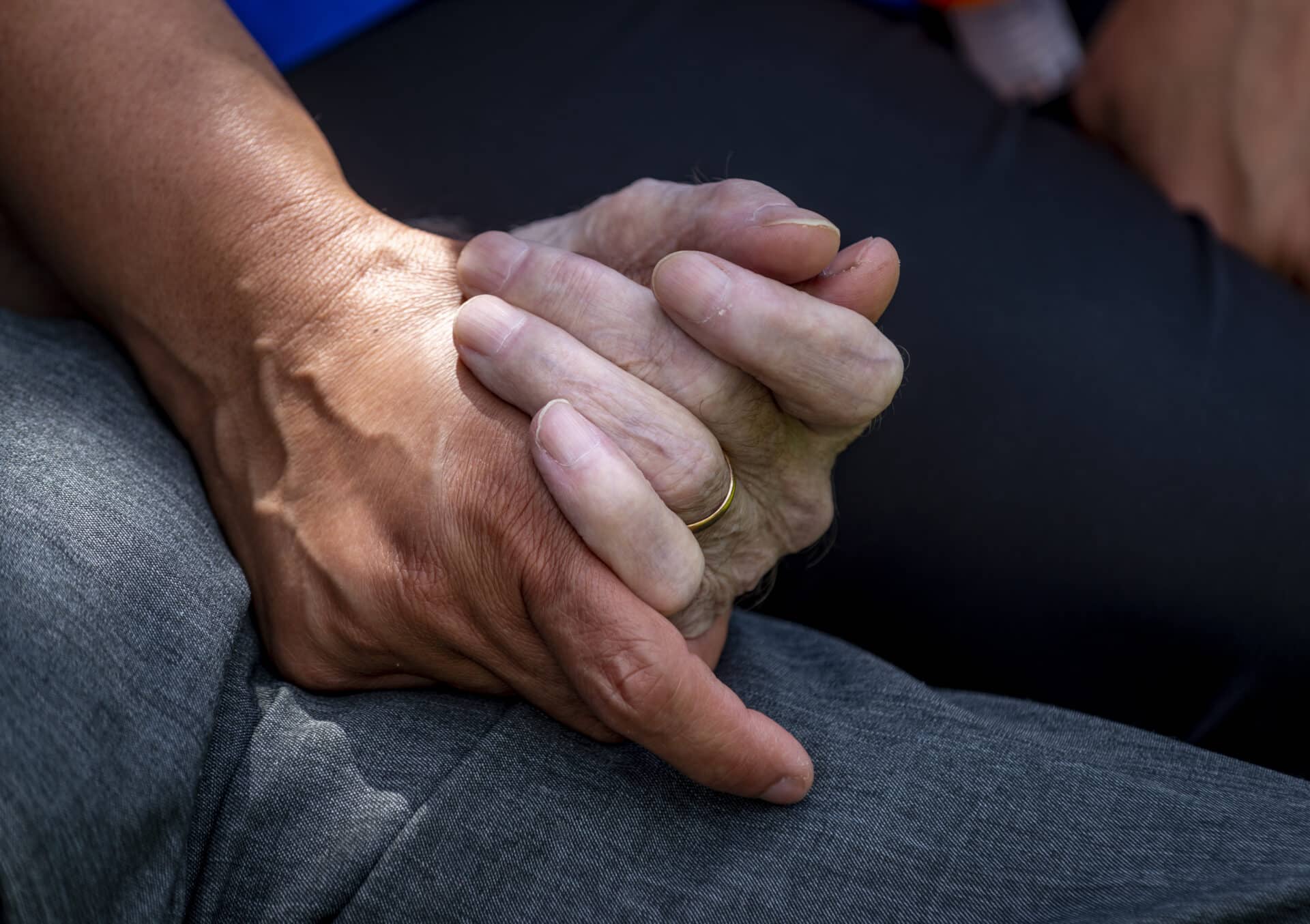
Parkinson’s disease is a progressive neurological condition that affects movement as well as a range of non-motor functions. It is most commonly diagnosed in people over the age of 60, although it can occur earlier. While Parkinson’s disease presents daily challenges, many people continue to live fulfilling and independent lives with the right care and support. This comprehensive guide to Parkinson’s disease explores symptoms, causes, diagnosis and how Caremark can support individuals at home.
What is Parkinson’s Disease?
Parkinson’s disease develops when nerve cells in the brain that produce dopamine gradually deteriorate. Dopamine plays a vital role in controlling movement, and reduced levels can lead to symptoms such as tremors, stiffness and slowed movement. Over time, Parkinson’s disease may also affect sleep, mood, memory and other non-motor functions.
In the UK, around 166,000 people are currently living with Parkinson’s disease, including approximately 4,400 people in Northern Ireland. Parkinson’s disease is on the rise, and by 2030, the number of people diagnosed in the UK is expected to reach 173,000 as the population continues to grow and age (Parkinson’s UK). Although there is no cure, a combination of medication, therapy, and personalised care can help individuals manage symptoms and maintain a good quality of life.
Recognising Symptoms and Early Indicators of Parkinson’s Disease
Symptoms of Parkinson’s disease vary from person to person and often develop gradually. Early signs may be subtle and easily overlooked, making early medical advice important if changes persist.
Common Motor Symptoms
- Resting tremor, often beginning in the hand or arm
- Bradykinesia (slowness of movement)
- Muscle rigidity and stiffness
- Balance and coordination difficulties
Non-Motor Symptoms
- Loss of smell
- Chronic constipation
- Sleep disturbances
- Mood changes, including anxiety or depression
- Cognitive changes
Targeted treatments and therapies can help manage both motor and non-motor symptoms, supporting overall wellbeing.
Causes and Risk Factors of Parkinson’s Disease
The exact cause of Parkinson’s disease is still unknown. Research suggests it results from a combination of genetic and environmental factors. Age is the strongest risk factor, with the condition becoming more common as people get older. Men are slightly more likely to develop Parkinson’s disease than women.
Studies continue to explore possible environmental triggers, including long-term exposure to certain chemicals or pesticides, as well as inherited genetic links.
Diagnosis and Assessment of Parkinson’s Disease
There is currently no single test that can definitively diagnose Parkinson’s disease. Diagnosis is based on a detailed medical history, discussion of symptoms, and a neurological examination carried out by a specialist. In some cases, brain imaging scans may be used to support clinical findings.
Early referral to a neurologist or Parkinson’s specialist can help ensure timely diagnosis and access to appropriate treatment and support.
Living Well with Parkinson’s Disease
Making practical lifestyle changes can greatly improve daily life for people living with Parkinson’s disease. A proactive approach can help maintain independence and confidence.
Practical Strategies for Daily Living
- Regular exercise to maintain strength, balance, and mobility
- Speech and language therapy to support communication
- Occupational therapy to adapt daily activities
- Home adaptations to improve safety and accessibility
With the right support in place, many individuals continue to enjoy social activities, hobbies, and meaningful routines.
Parkinson’s Disease Care and Support from Caremark
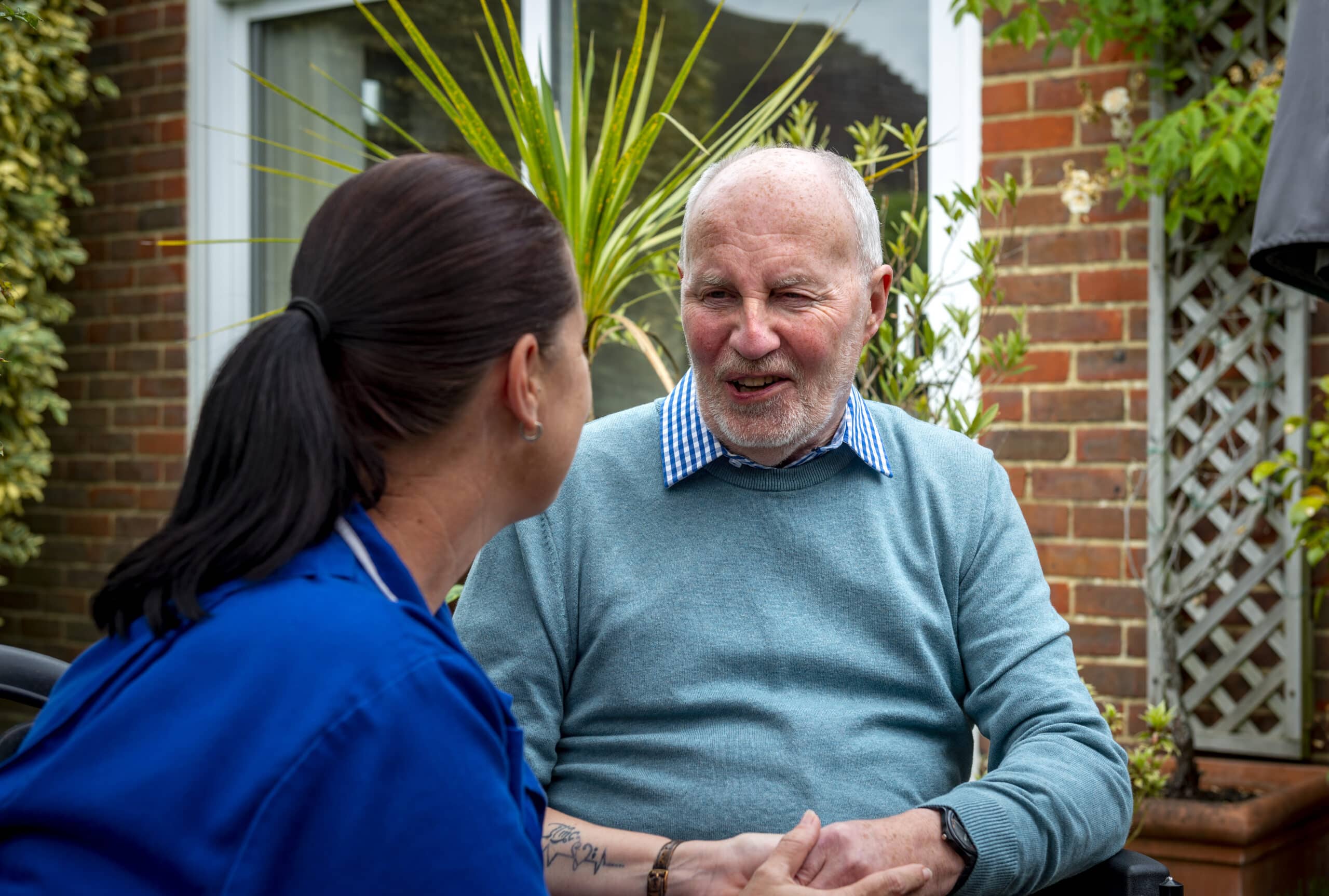
Caremark provides personalised home care services tailored to the needs of individuals living with Parkinson’s disease. Our care plans are flexible and designed to adapt as needs change over time.
Support may include assistance with mobility, medication reminders, personal care, meal preparation and companionship. Our trained care assistants focus on promoting independence, dignity, and quality of life within the comfort of your own home.
Supporting a Loved One with Parkinson’s Disease
Families play a vital role in supporting someone with Parkinson’s disease. Establishing routines, encouraging gentle physical activity, and ensuring medications are taken as prescribed can make a meaningful difference. Emotional support and social interaction are equally important in maintaining mental wellbeing.
Conclusion – Parkinson’s Disease Support with Caremark NI
Living with Parkinson’s disease can present ongoing challenges, but with early diagnosis, effective symptom management, and the right support, many people continue to live well at home. Access to personalised care plays a vital role in maintaining independence, confidence, and quality of life.
Our comprehensive care services are designed to meet the varying needs of Parkinson’s patients. Caremark offers a range of services, including mobility assistance, medication management, personal care, and companionship, to provide holistic care for those living with Parkinson’s disease. By working closely with individuals, families, and healthcare professionals, Caremark delivers flexible, compassionate support tailored to each stage of the condition.
Contact us today at 028 9146 7004 to learn more about our care services and how we can support you or your family.
About Caremark NI
Caremark NI provides high-quality home care services, supporting people to live safely and independently at home. Our dedicated team offers compassionate and professional care tailored to each individual’s needs.
Learn more about our Caremark NI office and explore our home care in Belfast, North Down & Ards, and Lisburn & Down. Get in touch today to find out how we can support you or your loved one.