

Helping Someone with Mobility Problems at Home
Mobility problems at home can make everyday activities more challenging, both for the individual experiencing them and for the people supporting them. Tasks that once felt simple, such as getting out of a chair, walking to the kitchen, or using the stairs, may begin to feel difficult or unsafe. With the right support, practical adjustments and suitable equipment, many people can continue living safely and comfortably in their own homes. This article explores how to recognise mobility problems, how to make the home environment safer, and the ways professional care can support those living with mobility challenges.
Recognising Mobility Problems
Mobility problems refer to difficulties with movement, balance or physical strength that make it harder to move around safely. These issues may develop gradually with age or appear suddenly following illness, injury or surgery.
Some common signs include:
• Walking more slowly or taking shorter steps
• Struggling to maintain balance, especially on stairs or uneven surfaces
• Muscle weakness or fatigue
• Joint pain that makes everyday tasks more difficult
Health conditions can also contribute to reduced mobility. For example, joint stiffness caused by Arthritis or movement difficulties linked to Parkinson’s Disease may affect a person’s ability to move around the home safely.
Recognising these changes early can help families take practical steps to improve safety and prevent accidents.

How Mobility Difficulties Affect Everyday Life
Reduced mobility does not only affect physical movement. It can also have an impact on confidence and emotional wellbeing.
Someone who feels unsteady on their feet may worry about falling or may avoid certain activities altogether. Over time, this can lead to reduced independence and fewer opportunities to socialise or stay active.
Some of the challenges people may experience include:
• Increased risk of falls
• Difficulty with personal care tasks such as washing or dressing
• Struggling to attend appointments or social activities
• Feeling frustrated or anxious about losing independence
With the right support and a few practical changes, many of these challenges can be managed effectively.
Making the Home Safer
A safe and well organised home environment can make a significant difference for someone experiencing mobility difficulties. Small changes can reduce the risk of accidents and help people move around the home with greater confidence.
Simple adjustments might include installing grab rails near steps, beds, and bathrooms, removing loose rugs or trailing cables, and improving lighting in hallways or staircases. Keeping commonly used items within easy reach can also prevent unnecessary stretching or climbing.
In bathrooms and kitchens, non slip mats can help reduce the risk of slipping. Raising the height of chairs or beds with risers may also make it easier for someone to stand up and sit down safely.
Equipment That Can Support Mobility
Assistive equipment can provide extra stability and help people move around more comfortably at home.
Some commonly used aids include:
• Walking sticks – provide light support and help with balance.
• Walking frames or rollators – offer greater stability when moving around the home.
• Wheelchairs – useful for longer distances when walking becomes difficult or tiring.
• Transfer aids – equipment such as bed levers or transfer boards that make it easier to move safely between surfaces.
• Bathroom aids – raised toilet seats, shower stools, and grab rails can reduce strain and help prevent slips.
• Telecare alarms – pendant alarms or sensors that allow someone to call for help if they fall or need assistance.
An occupational therapist can help assess a person’s needs and recommend equipment that is suitable and properly fitted.
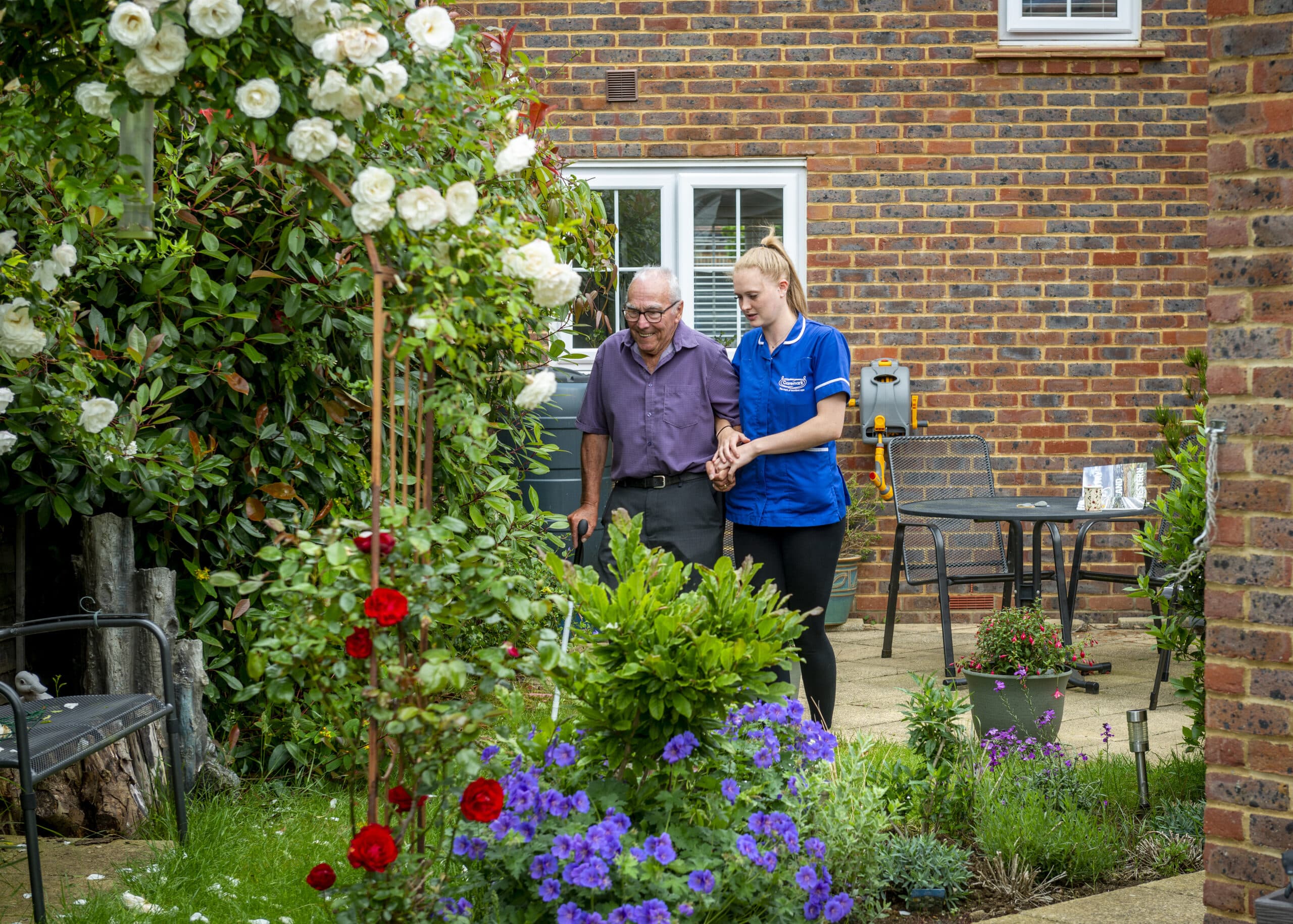
Professional Support for Mobility Problems at Home
Supporting someone with mobility difficulties can be rewarding, but it can also become demanding for family members over time. Professional home care services can provide additional support while helping individuals maintain their independence.
At Caremark NI, care services are tailored to the needs of each individual. After an initial assessment, a personalised care plan can be developed to ensure the right level of support is provided.
Care Assistants can help with moving safely around the home, providing respectful personal care, preparing meals and assisting with everyday household tasks. They can also provide medication reminders and companionship, helping individuals stay active and engaged in their daily routines.
Care can be arranged through short visits during the week or more regular support depending on what is needed.
Conclusion: Supporting Mobility Problems at Home
Living with mobility problems at home does not have to mean losing independence. With practical home adjustments, suitable equipment and the right support network, many people can continue to live safely and comfortably in familiar surroundings.
Supporting a loved one with mobility challenges can sometimes feel overwhelming, but help is available. Seeking advice from care professionals can make it easier to understand the options available and find the support that best meets the needs of both the individual and their family.
About Caremark NI
Caremark NI provides high-quality home care services, supporting people to live safely and independently at home. Our dedicated team offers compassionate and professional care tailored to each individual’s needs.
Learn more about our Caremark NI office and explore our home care in Belfast, North Down & Ards, and Lisburn & Down. Get in touch today to find out how we can support you or your loved one.