

Mental Health Support at Home in Aylesbury, High Wycombe and Buckingham
Living with mental health challenges can make everyday tasks feel harder. Having someone to listen, offer reassurance and help with daily routines can make a difference. Mental health support at home in Aylesbury can help you manage daily life while staying in familiar surroundings.
For people in Aylesbury, High Wycombe and Buckingham, we can shape care around individual needs, interests and choices. From companionship to help getting out into the community, we explore how support at home can help you stay independent and connected to what matters to you.
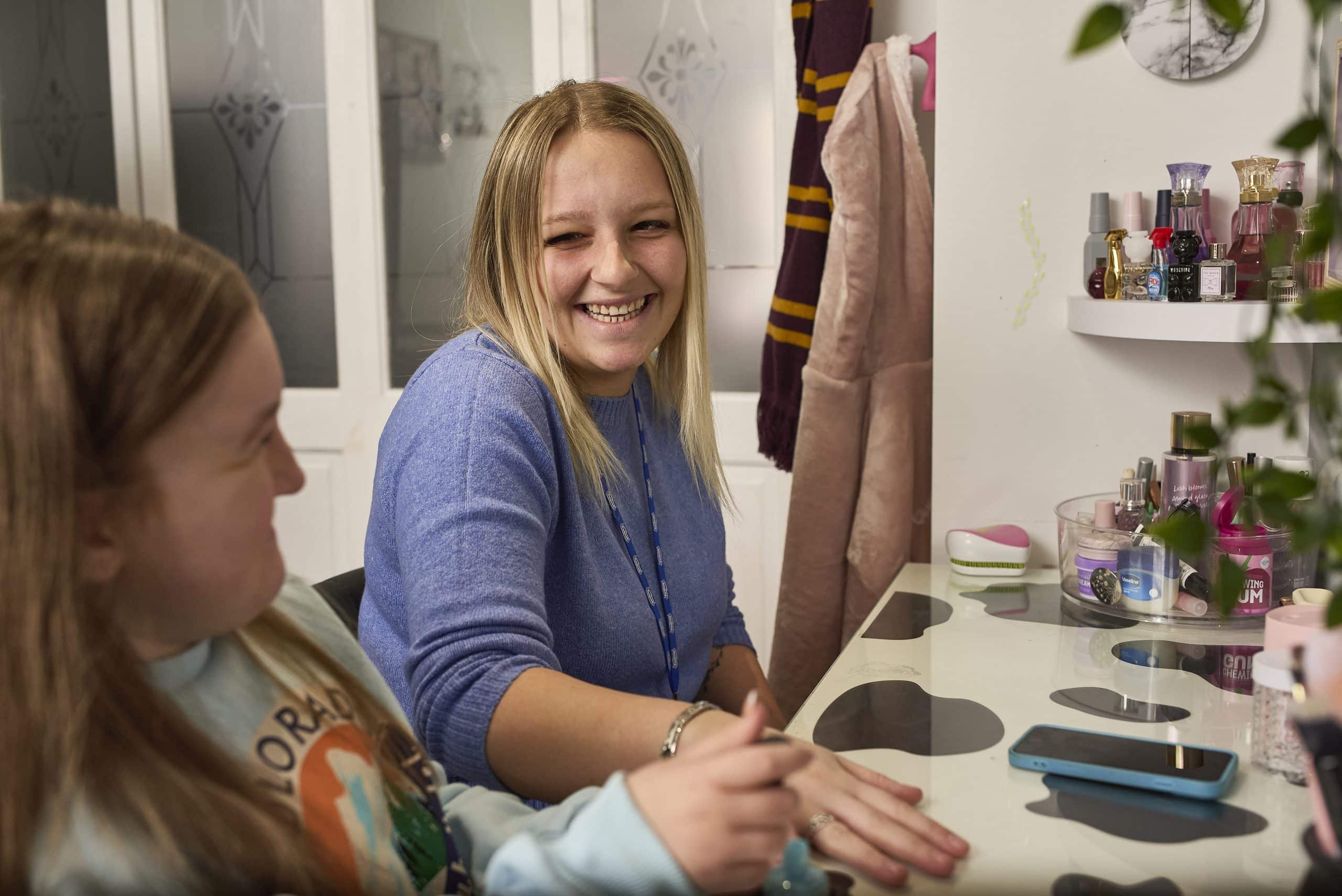
Why Mental Health Support at Home Matters
For many people, home provides familiarity, reassurance and a sense of independence. Therefore, receiving care in familiar surroundings can be particularly beneficial when managing mental health challenges.
Rather than focusing solely on a diagnosis, our approach considers the whole person. This includes their daily routines, preferences, relationships and individual goals.
Furthermore, our Care Assistants provide practical help and emotional reassurance, enabling people to maintain their confidence and independence.
Whether someone needs occasional companionship or more comprehensive support, we develop a personalised care plan around their needs.
Mental Health in Buckinghamshire: Understanding Local Needs
Mental health difficulties affect thousands of people across Buckinghamshire. Although the county performs better than the national average on some measures, demand for support remains significant.
According to Buckinghamshire Council’s public health assessments, mental health challenges affect people of all ages.
Key Mental Health Statistics in Buckinghamshire
- 55,342 adults had GP-recorded depression in 2021/22. This represented 12.2% of adult patients, compared with 12.7% nationally.
- Approximately 1 in 125 GP patients had a recorded severe mental illness, including schizophrenia, bipolar disorder or psychosis, in 2023/24.
- Mental health hospital admissions increased by 74% between 2012/13 and 2020/21, rising from 139.0 to 241.9 per 100,000 people.
- Around 50 people in Buckinghamshire lose their lives to suicide each year, according to the county’s suicide prevention planning figures.
These figures highlight the importance of accessible mental health services. Moreover, they demonstrate why practical support within local communities remains essential.
Mental Health Inequalities Across Aylesbury and High Wycombe
Although Buckinghamshire is often considered relatively affluent, significant inequalities exist between communities.
For example, emergency mental health admissions in the most deprived areas are approximately 2.4 times higher than in the least deprived areas.
Similarly, diagnosed depression is more common in disadvantaged communities, with recorded rates of 13.3% compared with 11.9%.
Parts of Aylesbury and High Wycombe experience higher levels of deprivation. Consequently, some residents may face additional barriers when accessing support.
Mental Health Challenges Among Older People
Older residents can also experience complex mental health needs.
Buckinghamshire recorded 323.5 mental health admissions per 100,000 people aged 65 and over. Furthermore, dementia accounted for approximately one in five of these admissions.
By September 2025, 4,546 older adults in Buckinghamshire had received a dementia diagnosis.
However, the recorded diagnosis rate remained below the national ambition. Therefore, improving awareness and access to appropriate support continues to be important.
Mental Wellbeing Among Children and Young People
Mental health challenges also affect younger generations.
In a 2021 Buckinghamshire survey, approximately one-third of secondary school pupils reported low wellbeing. Meanwhile, more than half of sixth-form students reported similar concerns.
Looking ahead, Buckinghamshire’s 2025 Public Health Report projected that recorded depression could affect approximately a quarter of adults by 2039/40 if existing trends continue.
These findings reinforce the need for compassionate, accessible support throughout the community.
Types of Mental Health Conditions We Support
Mental health conditions affect people in different ways. Therefore, effective home care must be flexible and tailored to individual circumstances.
At Caremark Aylesbury and Wycombe, we provide practical and emotional support alongside existing healthcare services.
Importantly, our Care Assistants do not diagnose or provide psychiatric treatment. Instead, we work with individuals, families, GPs and NHS mental health teams to support everyday wellbeing.
Depression and Anxiety Support at Home
Depression can make everyday activities feel exhausting. For example, getting out of bed, preparing meals or maintaining personal hygiene may become difficult.
Our Care Assistants can provide gentle encouragement, practical assistance and companionship.
Similarly, people experiencing anxiety may find social situations, shopping or attending appointments challenging.
With patient, step-by-step support, individuals can gradually rebuild confidence and maintain important routines.
Bipolar Disorder and Psychosis Support
People living with bipolar disorder or psychotic conditions may benefit from predictable routines and consistent assistance.
For instance, our Care Assistants can support regular meals, medication routines and attendance at healthcare appointments.
Additionally, familiar carers may notice agreed changes in behaviour or wellbeing.
Where appropriate, concerns can then be shared with healthcare professionals, helping individuals access timely support.
OCD, PTSD and Trauma-Informed Care
Obsessive-compulsive disorder (OCD) and trauma-related conditions can significantly affect everyday life.
Therefore, our approach focuses on patience, understanding and respect for individual preferences.
For someone living with OCD, this may involve helping maintain a safe home environment while supporting their agreed therapy goals.
Meanwhile, trauma-informed care prioritises predictability, personal choice and clear communication.
Above all, we aim to help people feel comfortable and respected in their own homes.
Eating Disorders and Addiction Recovery Support
People living with eating disorders or substance use difficulties may require additional practical assistance.
For example, our Care Assistants can provide supportive company during meals, encourage daily routines and help individuals attend specialist appointments.
However, these services complement rather than replace clinical treatment.
By working alongside relevant healthcare professionals, we support individuals in maintaining stability and independence.
Autism, ADHD and Neurodevelopmental Support
Autism and ADHD are neurodevelopmental conditions rather than mental illnesses. Nevertheless, some individuals may experience additional mental health challenges.
Consistent routines, familiar carers and clear communication can be particularly valuable.
Consequently, our Care Assistants use an individualised approach that considers sensory preferences, communication needs and personal goals.
We also support people living with dementia, sleep disorders, health anxiety, functional neurological disorders and prolonged grief.
Helping People Stay Well at Home and in Their Communities
Remaining at home can provide reassurance and continuity for people experiencing mental health difficulties.
At Caremark Aylesbury and Wycombe, our priority is to support independence while helping individuals remain connected to their communities.
Recognising Changes in Mental Wellbeing
Regular visits allow familiar Care Assistants to notice changes in mood, sleep, motivation or personal care.
As a result, potential concerns may be identified earlier.
Where appropriate and with consent, we communicate these changes to family members or healthcare professionals.
Supporting Recovery After Hospital Discharge
Returning home after a hospital admission can feel daunting.
Therefore, our hospital discharge and reablement services provide practical support during the transition.
This may include help with personal care, meals, medication routines and everyday activities.
Over time, our aim is to help individuals rebuild confidence and regain independence.
Encouraging Social Connections
Social isolation can negatively affect emotional wellbeing.
For this reason, our Care Assistants encourage individuals to maintain friendships, hobbies and community involvement.
Support might include visiting local shops, attending appointments or participating in social activities.
Furthermore, familiar companionship can help people feel less isolated and more confident.
Promoting Physical Health and Independence
Physical health and mental wellbeing are closely connected.
Consequently, we encourage healthy meals, suitable activity and regular healthcare appointments.
Rather than taking over everyday tasks unnecessarily, our Care Assistants support people to do as much as possible for themselves.
This approach helps maintain existing skills while building confidence.
Supporting Family Carers
Caring for someone with mental health difficulties can be demanding.
Although families provide invaluable support, they also need time to rest.
Our respite care services offer temporary assistance, allowing family carers to take a break while their loved one receives professional support.
Our Mental Health Home Care Services in Aylesbury and Wycombe
Every person has different needs. Therefore, we offer flexible home care services that can be adjusted as circumstances change.
Our services include:
- Companionship and emotional reassurance: Friendly visits that help reduce loneliness and isolation.
- Personal care and hygiene: Respectful assistance with washing, dressing and daily routines.
- Meal preparation and nutrition: Support with preparing meals and maintaining healthy eating habits.
- Medication support: Prompting and assistance according to an agreed care plan.
- Appointment support: Help attending GP, hospital and mental health appointments.
- Community access: Encouragement to enjoy hobbies, shopping and local activities.
- Household assistance: Support with shopping, errands, post, bills and light household tasks.
- Hospital discharge and reablement: Practical help when returning home after treatment.
- Dementia care: Personalised assistance for individuals living with dementia.
- Respite care: Temporary support that gives family carers time to rest.
- Night and live-in care: Additional assistance for people requiring more comprehensive support.
Furthermore, our care arrangements can range from occasional weekly visits to ongoing, round-the-clock assistance.
As needs change, we review care plans to ensure support remains appropriate.
Staying Connected at Our Aylesbury Community Day Centre
Maintaining friendships and social connections can make a meaningful difference to mental wellbeing.
However, some people find it difficult to meet others or participate in community activities.
To help address loneliness, Caremark operates a Community Day Centre every Friday in Aylesbury.
Where Is the Community Day Centre?
Southcourt Community Centre
Prebendal Avenue
Aylesbury
HP21 8LF
The centre provides a welcoming, relaxed environment for older adults, people living with dementia and anyone experiencing loneliness.
In addition, visitors have opportunities to make friends, enjoy activities and develop social connections.
Sessions start from £20, while carers can attend free of charge.
As a result, the centre provides another opportunity for local residents to remain socially active and connected.
Why Choose Caremark Aylesbury and Wycombe?
Choosing a home care provider is an important decision, especially when mental health support is required.
At Caremark Aylesbury and Wycombe, we combine professional expertise with compassionate, person-centred care.
Doctor-Led Mental Health Home Care
Our service benefits from psychiatric leadership and more than a decade of mental health experience.
Consequently, this expertise helps inform how we assess, plan and review individual care arrangements.
Consistent, Carefully Matched Care Assistants
Building trust is essential when supporting mental wellbeing.
Therefore, we carefully match Care Assistants with individuals according to their needs, preferences and personalities.
Wherever possible, we also maintain continuity of care so people receive visits from familiar faces.
Specialist Mental Health Training
Our Care Assistants receive training in mental health awareness, behaviours that challenge and de-escalation.
Furthermore, this training is refreshed annually through our Training Academy.
Dedicated Welfare and Wellbeing Support
Our Welfare and Wellbeing Officer is a Level 3 qualified Mental Health First Aider.
In addition to supporting clients, this role helps promote staff wellbeing.
Flexible and Personalised Care
Mental health needs can change over time.
For this reason, we offer flexible arrangements, from short-term support during difficult periods to longer-term care.
Regular reviews also help ensure that each care plan remains suitable.
Safe, Regulated Home Care
Caremark Aylesbury and Wycombe is registered with the Care Quality Commission (CQC).
Additionally, our Care Assistants undergo DBS checks, while regular reviews and unannounced spot checks support our commitment to quality.
Above all, we aim to deliver safe, reliable and compassionate care.
Areas We Cover Across Buckinghamshire
From our local office in Aston Abbotts, Caremark Aylesbury and Wycombe provides home care and mental health support across Buckinghamshire.
Our service areas include:
- Aylesbury
- High Wycombe
- Buckingham
- Winslow
- Waddesdon
- Stoke Mandeville
- Haddenham
- Wendover
- Princes Risborough
We also welcome enquiries from residents living in surrounding villages.
Whether you need mental health home care in High Wycombe, companionship in Buckingham or daily living support in Aylesbury, our team can discuss suitable options.
If your town or village is not listed, please contact us to check availability.
How to Arrange Mental Health Support at Home
Getting started with Caremark Aylesbury and Wycombe is straightforward.
Furthermore, individuals can contact us directly or be referred by family members, GPs, community mental health teams, social workers or social prescribers.
Step 1: Contact Our Local Team
First, call or email our office to discuss your circumstances.
We will listen to your concerns, preferences and support requirements.
Step 2: Receive a Prompt Response
Next, our team aims to acknowledge referrals within two working hours and confirm availability.
Step 3: Arrange a Free Home Assessment
We aim to make contact within 24 hours to arrange a free, no-obligation home assessment.
During the assessment, we discuss your needs, goals and preferences.
Together, we then develop a personalised care plan.
Step 4: Begin Your Care
Once the care plan is agreed, we carefully match you with a suitable Care Assistant.
Following this, regular reviews help ensure the support continues to meet your needs.
Important: Caremark is not an emergency mental health service. If someone is at immediate risk, call 999. For urgent mental health support, contact NHS 111 and select option 2. Alternatively, Samaritans can be contacted free on 116 123, 24 hours a day.
Frequently Asked Questions About Mental Health Home Care
Can home care help someone with a mental health condition?
Yes. Practical assistance, companionship and emotional reassurance can make everyday life more manageable.
Furthermore, regular support may help reduce isolation and maintain independence.
Our services complement clinical treatment provided by GPs and NHS mental health professionals.
Who can refer someone to Caremark Aylesbury and Wycombe?
Individuals can contact us directly. Alternatively, family members, GPs, social workers, community mental health teams and social prescribers can make referrals with appropriate consent.
Do you provide short-term mental health support?
Yes. We offer flexible arrangements depending on individual needs.
For example, someone may require temporary assistance following a hospital stay or during a difficult period.
Alternatively, ongoing support can be arranged when longer-term care is needed.
How much does mental health home care cost?
The cost depends on the type and amount of care required.
Therefore, we begin with a free, no-obligation assessment before discussing a personalised care package and its cost.
Which areas do you cover?
We support people across Aylesbury, High Wycombe, Buckingham, Winslow, Waddesdon, Stoke Mandeville, Haddenham, Wendover, Princes Risborough and surrounding communities.
Are your Care Assistants trained in mental health?
Yes. Mental health awareness, behaviours that challenge and de-escalation form part of our Training Academy.
Additionally, our Welfare and Wellbeing Officer is a Level 3 qualified Mental Health First Aider.
How quickly can home care start?
We aim to acknowledge referrals within two working hours and make contact within 24 hours to arrange a free home assessment.
However, the start date depends on individual requirements, assessment outcomes and available capacity.
What should I do during a mental health crisis?
Caremark is not an emergency service.
If someone is at immediate risk, call 999. For urgent mental health support, call NHS 111 and choose option 2.
Alternatively, Samaritans provide free, confidential emotional support on 116 123, 24 hours a day.
Contact Caremark Aylesbury & Wycombe for Mental Health Support at Home
If you or someone you care about needs compassionate mental health support at home in Aylesbury, High Wycombe or Buckingham, our local team is here to help.
Whether you need companionship, personal care, autism support, help following hospital discharge or ongoing assistance, we can discuss a personalised care plan.
Furthermore, our doctor-led approach combines mental health experience with practical support designed around individual needs.
Contact Caremark Aylesbury & Wycombe today to arrange a free, no-obligation home care assessment.
Sources and Further Reading
Buckinghamshire Suicide Prevention Action Plan
Buckinghamshire Council — Mental Health Joint Strategic Needs Assessment
Buckinghamshire Council — Children and Young People’s Mental Health and Wellbeing
Buckinghamshire Dementia Review — Progress Report 2025