

Hot Weather Safety Tips for Older Adults in Wandsworth
Every summer in the UK, thousands of older adults are hospitalised because of hot weather. Most cases are completely preventable. At Caremark Wandsworth, we have put together these Hot Weather Safety Tips for Older Adults in Wandsworth, based on guidance from the NHS, the UK Health Security Agency (UKHSA) and Age UK.
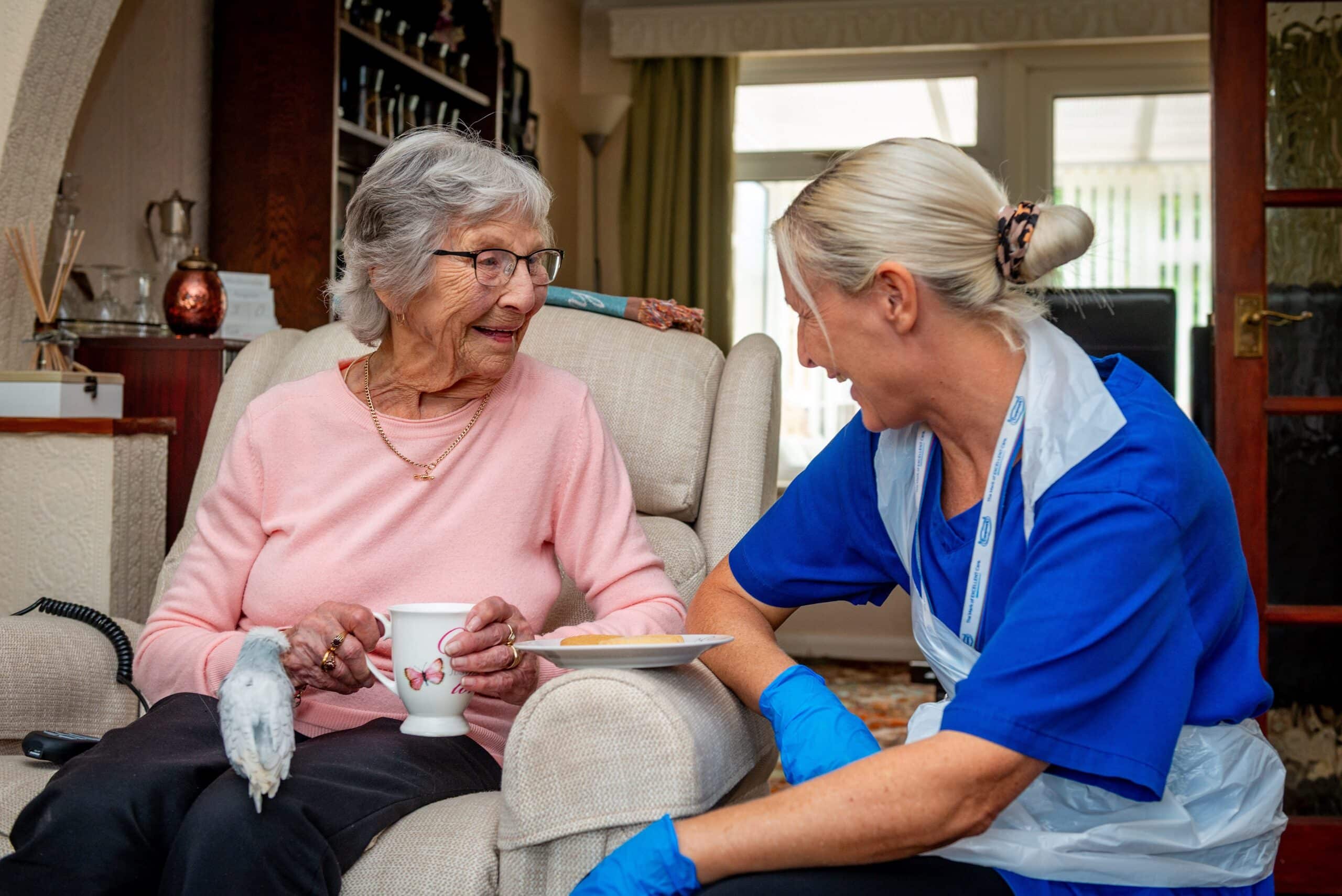
According to the UKHSA, the highest heat related mortality rates in England are seen in people aged 85 and over, and those aged 75 to 84. In the summer of 2022 alone, nearly 3,000 deaths in England were linked to heatwave periods, with over 2,800 of those being people aged 65 and above. With summers getting hotter every year, knowing how to stay safe has never been more important.
Why Hot Weather Affects Older Adults More
As we age, our bodies become less efficient at regulating temperature. The NHS explains that older adults may not feel thirsty even when dehydrated, and certain medications can increase sensitivity to heat. People living with long term conditions such as heart disease, lung conditions, diabetes, kidney disease or Parkinson’s disease face even greater risks during hot weather.
The Centre for Ageing Better has highlighted that around 3 million people aged 65 and above in the UK live in older properties that are particularly prone to overheating, making the home environment just as dangerous as being outdoors in direct sun.
1. Stay Hydrated
Drinking enough water is the single most important hot weather safety tip for older adults.
The NHS recommends aiming to drink at least six to eight glasses of water throughout the day, even if you do not feel thirsty. Avoid too much caffeine or alcohol as these can dehydrate the body further. Keeping a glass of water nearby as a visual reminder can be really helpful, especially for those who tend to forget.
Source: NHS — Heatwave: how to cope in hot weather
2. Keep the Home Cool
The temperature inside the home matters just as much as the temperature outside.
King’s College Hospital NHS Foundation Trust advises closing curtains and blinds on windows that face the sun during the hottest parts of the day, usually between 11am and 3pm. Open windows in the early morning and late evening when the air is cooler. If you have a fan, placing a bowl of cold water or ice in front of it can help cool the room. Cool showers or baths and applying a damp cloth to the back of the neck are also effective ways to bring body temperature down quickly.
Source: King’s College Hospital NHS Foundation Trust — Staying safe during a heatwave
3. Dress Appropriately for Hot Weather
Wearing the right clothing makes a real difference to comfort and safety in hot weather.
Choose loose fitting, lightweight clothing in light colours, as these reflect heat rather than absorbing it. Natural fabrics like cotton and linen are far better than synthetic materials. A wide brimmed hat and sunscreen are also essential if spending any time outdoors.
Source: NHS and Age UK hot weather guidance
4. Avoid Going Out During the Hottest Part of the Day
Planning outings carefully during hot weather can significantly reduce health risks for older adults.
Age UK recommends avoiding being outdoors between 11am and 3pm, when the sun is at its strongest. If you need to attend appointments, collect prescriptions or run errands, try to do so before midday. At Caremark Wandsworth, our care teams regularly help clients in Wandsworth plan their outings around the weather to keep them safe and comfortable.
Source: Age UK Wandsworth — Beat the heat: hot weather advice for older people
5. Eat Light and Regularly
Heavy meals can raise body temperature as the body works harder to digest them.
During hot weather, opt for lighter meals such as salads, fruit, cold soups and sandwiches. Foods with a high water content such as cucumber, watermelon, strawberries and lettuce are a wonderful way to stay hydrated. Little and often is the best approach during a heatwave.
6. Review Medications During Hot Weather
Some medications are affected by heat or increase sensitivity to the sun.
The NHS advises that people taking regular medication should speak to their GP or pharmacist about whether any medicines need to be stored differently during hot weather, or whether they may affect how the body responds to the heat. The UKHSA specifically highlights that people on multiple medicines are among those most at risk during heatwaves in the UK.
Source: NHS — Heatwave: how to cope in hot weather | UK Health Security Agency
7. Recognise the Warning Signs of Heat Exhaustion and Heatstroke
Knowing these signs could save someone’s life.
Signs of heat exhaustion include heavy sweating, feeling faint or dizzy, nausea, headache, pale and clammy skin, and a fast weak pulse. If someone shows these signs, move them to a cool place, give them water to sip and apply cool damp cloths to their skin. The NHS advises that most people begin to recover within 30 minutes with these measures.
Heatstroke is more serious and requires emergency medical attention. Signs include a very high body temperature, confusion, hot and dry skin, a rapid strong pulse and loss of consciousness. Call 999 immediately if heatstroke is suspected.
Source: NHS — Heatwave: how to cope in hot weather
8. Act on Heat Health Alerts Early
The UKHSA and the Met Office issue heat health alerts to protect the public.
These alerts range from yellow (least severe) through amber to red (most severe). However, research published in 2026 found that around 41% of people fail to take protective action even when alerts are issued. Do not wait for a red alert. Yellow and amber alerts should be taken seriously, particularly for older adults living alone or with underlying health conditions in Wandsworth and across London.
Check current heat health alerts at www.gov.uk or through the Met Office app.
Source: UK Health Security Agency | The Conversation, May 2026
9. Stay Connected and Check on Others
Isolation during a heatwave can be extremely dangerous for older adults.
Check in regularly with family, friends and neighbours, especially those who live alone or have limited mobility. Richmond Council and other local authorities across London advise that checking in on an older neighbour during hot weather can be life saving. Our Caremark Wandsworth care teams check on the wellbeing of every client throughout the day, every day.
Source: Richmond Council — Staying safe during hot weather, 2024
How Caremark Wandsworth Supports Clients During Hot Weather
At Caremark Wandsworth, we understand that hot weather presents real challenges for older adults and their families across Wandsworth, Tooting, Balham, Clapham and the surrounding areas. Our dedicated care teams provide person centred home care support that adapts to every season and every individual need.
Whether it is helping with hydration, preparing light nutritious meals, planning outings during the cooler parts of the day or simply checking in to provide reassurance, our carers go above and beyond every single day. Many of our carers have been with us for five, ten years and beyond, which means our clients always have a familiar, trusted face by their side.
If you would like to find out more about our home care services in Wandsworth, please get in touch. We would love to help.
Useful Resources
- NHS — Heatwave: how to cope in hot weather
- UK Health Security Agency — Beat the Heat
- Age UK Wandsworth — Hot Weather Advice
- Met Office — Heat Health Alerts
- NHS 111 (non-emergency medical advice): Call 111 or visit www.111.nhs.uk
- Emergency: Call 999