

How Do I Support a Loved One with Dementia at Home in Bromley?
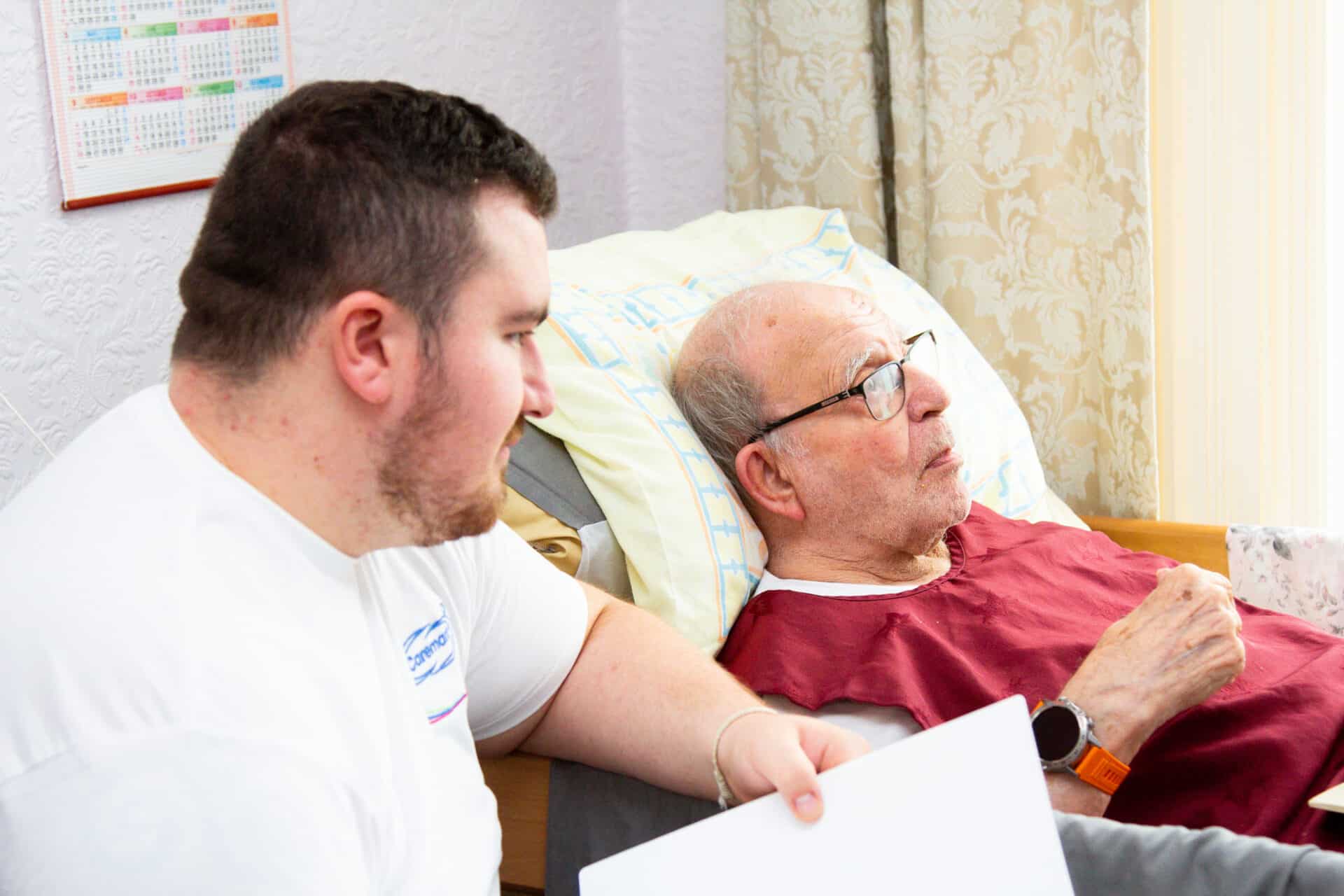
If you are asking, how do I support a loved one with dementia, you are not alone. Many families in Bromley face the emotional and practical challenge of helping someone with dementia remain safe, comfortable, and supported at home. While the journey can feel overwhelming at first, the right approach can make a real difference to your loved one’s quality of life and your own wellbeing. This guide explains how to support a loved one with dementia at home, with practical advice for families in Bromley who want compassionate, local support.
How Do I Support a Loved One with Dementia in Daily Life?
Understanding how do I support a loved one with dementia starts with recognising that dementia affects much more than memory. It can change communication, judgement, mood, behaviour, and the ability to complete everyday tasks. What may look like confusion, frustration, or withdrawal is often the result of changes happening in the brain rather than deliberate behaviour.
Supporting someone with dementia means responding with patience, empathy, and consistency. Many people benefit from remaining in familiar surroundings, where their routines, possessions, and home environment can offer comfort and reassurance.
In practical terms, this can include:
- helping with personal care such as washing and dressing
- supporting medication routines
- preparing meals and encouraging hydration
- offering companionship and emotional reassurance
- reducing confusion through structure and familiarity
For families in Bromley, home-based dementia care can help loved ones stay connected to the people, places, and routines that matter most.
Understanding the Changes Dementia Can Bring
Dementia is an umbrella term for progressive conditions affecting the brain. As symptoms develop, your loved one may find it harder to remember recent conversations, follow instructions, recognise familiar places, or express themselves clearly.
Common changes may include:
- short-term memory loss
- difficulty finding the right words
- confusion about time or place
- changes in mood or personality
- increased anxiety, agitation, or withdrawal
The most important thing to remember is that a person with dementia is not trying to be difficult. They are often trying to make sense of a world that has become harder to process.
Creating a Safe Home Environment for a Loved One with Dementia
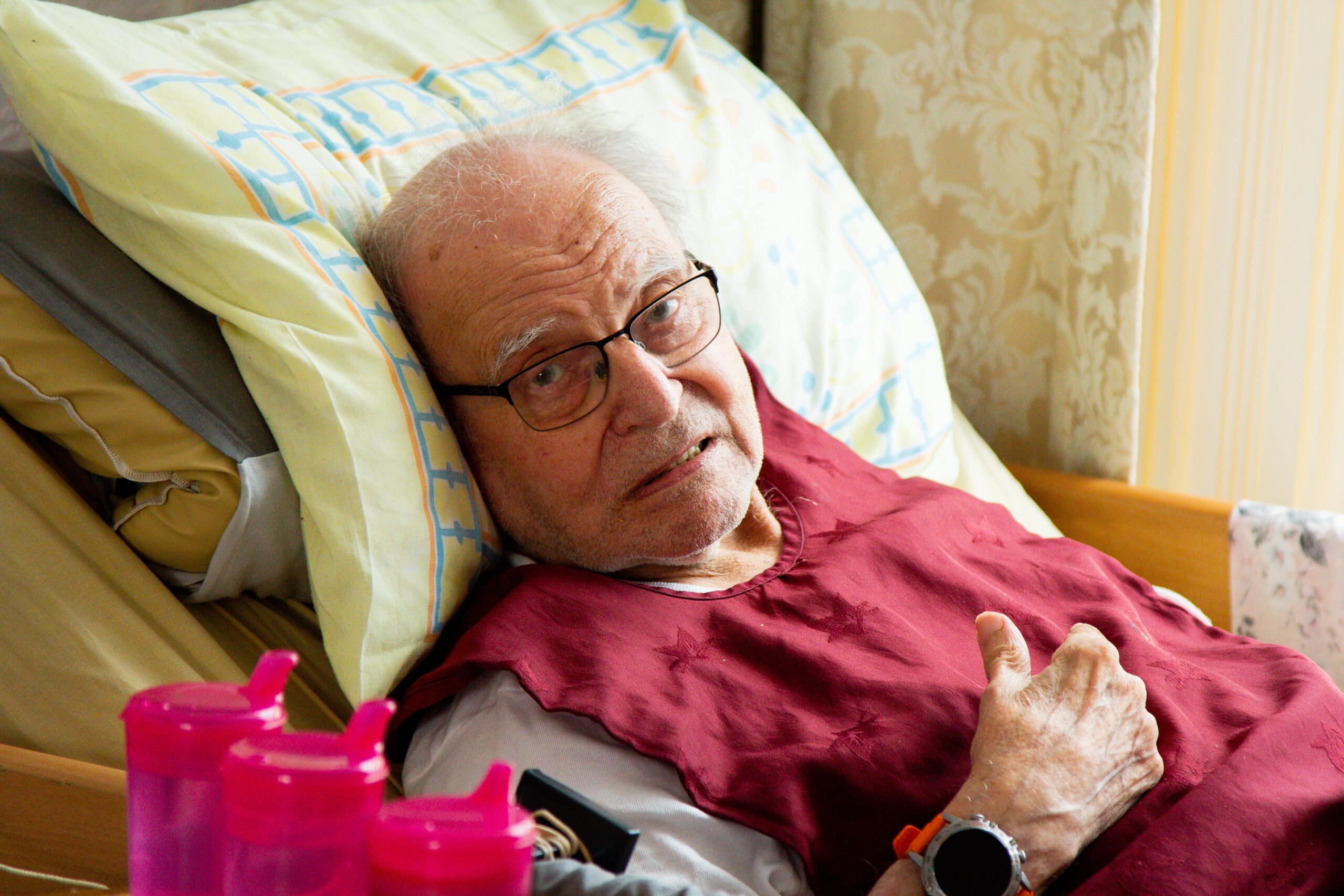
One of the most important parts of supporting someone at home is making the environment safer and easier to navigate. A familiar home can still become confusing if there is clutter, poor lighting, or too much noise and distraction.
Simple changes around the home can help reduce anxiety and support independence. These do not need to be major adjustments. Often, small practical steps have the biggest impact.
Useful changes may include:
- keeping walkways clear and removing trip hazards
- improving lighting in hallways, bathrooms, and bedrooms
- using labels or pictures on cupboards and doors
- adding grab rails in bathrooms
- using contrasting colours for important objects such as toilet seats, plates, or handrails
- reducing excess noise from televisions or radios
For families in Bromley, creating a dementia-friendly home can make everyday life safer and more manageable, while helping a loved one feel calm in familiar surroundings.
How Do I Support a Loved One with Dementia Through Communication and Routine?
When considering how do I support a loved one with dementia, communication and routine are two of the most valuable tools you have. Dementia can affect a person’s ability to process language, follow conversations, or respond quickly, so clear and calm communication becomes essential.
Try to:
- speak slowly and use short, simple sentences
- maintain eye contact and use a reassuring tone
- ask one question at a time
- give enough time for a response
- avoid arguing or correcting unnecessarily
- use gentle gestures and facial expressions to reinforce meaning
A consistent routine can also reduce confusion and help the day feel more predictable. Regular times for getting up, meals, washing, activities, and bed can create a sense of structure and security.
Meaningful activities should also be part of the routine. Depending on the person, this could include listening to music, looking through photographs, folding laundry, helping with simple household tasks, or going for a gentle walk in Bromley.
SupLooking After Yourself While Supporting a Loved One with Dementia
If you are focused on how do I support a loved one with dementia, it is easy to overlook your own needs. However, caring for someone with dementia can be emotionally and physically demanding, particularly when the role grows over time.
Looking after yourself is not selfish. It is essential. When family carers are exhausted or overwhelmed, it becomes harder to provide consistent support.
Warning signs of carer strain can include:
- feeling constantly tired or irritable
- struggling to sleep
- feeling isolated from other people
- losing interest in hobbies or social time
- feeling guilty, low, or overwhelmed
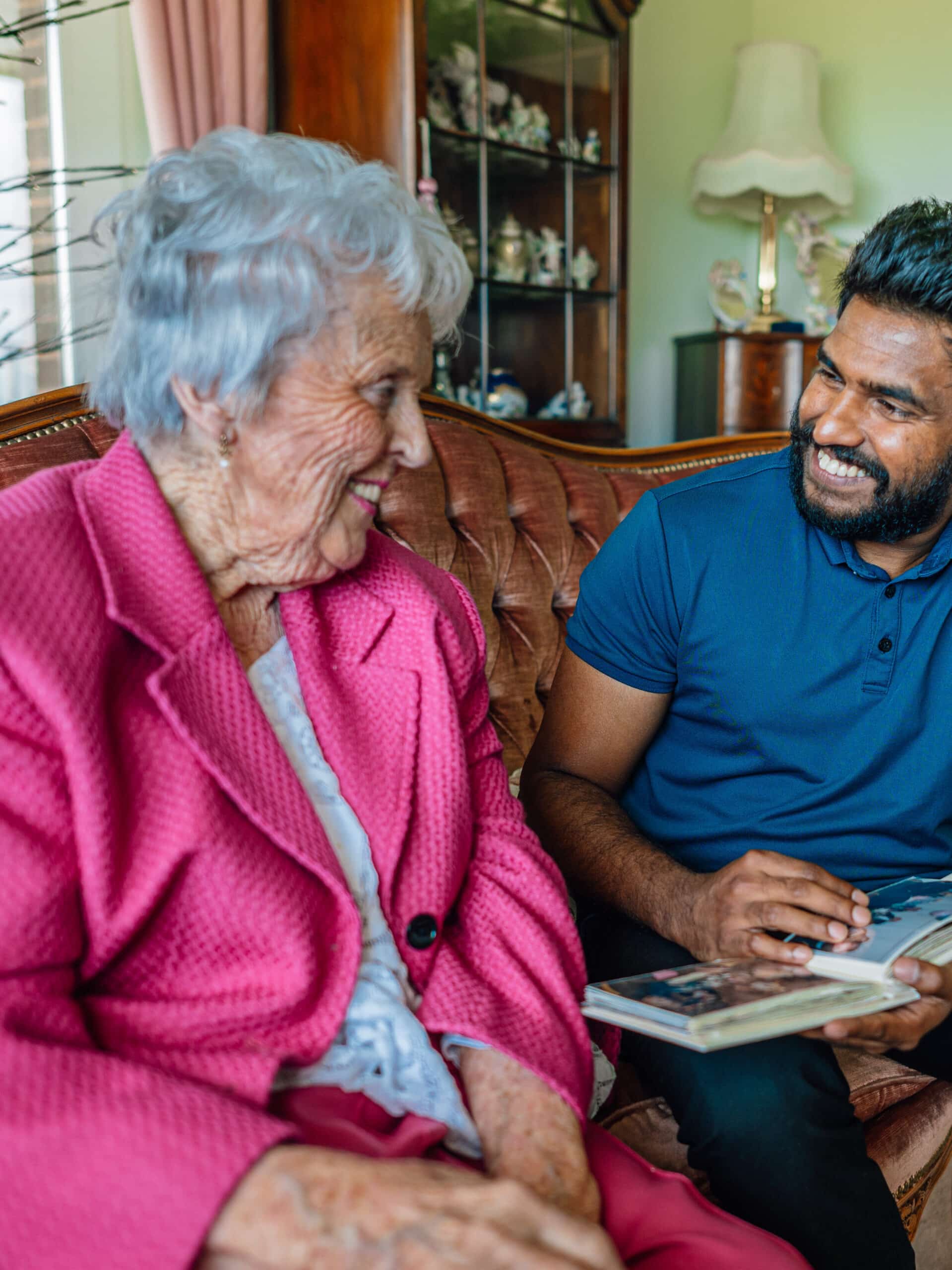
Building a support network can make a huge difference. This might include relatives, friends, local groups, or professional care services. Even a few hours of support each week can give you time to rest, work, attend appointments, or simply recharge.
Professional dementia home care can help families in Bromley share the caring role, reduce pressure, and ensure loved ones continue receiving safe and compassionate support.

Conclusion: How Do I Support a Loved One with Dementia at Home?
So, how do I support a loved one with dementia? The answer often begins with patience, structure, empathy, and the right environment. Supporting a loved one with dementia at home means understanding their changing needs, keeping routines familiar, communicating calmly, and making sure you have support around you as well.
For families in Bromley, dementia care at home can provide comfort, dignity, and continuity in a place that feels safe and familiar. With the right mix of family support and professional care, it is possible to create a positive and reassuring environment for your loved one while protecting your own wellbeing too.
For added authority on the page, you could include external links to trusted sources such as the NHS dementia guide and Alzheimer’s Society.
As the data shows, the number of people who will need our help is set to rise dramatically by 2040. This makes professional, compassionate home care an even more vital part of our community’s health system.
About Caremark Bromley
At Caremark Bromley & Lewisham, we understand that supporting a loved one with dementia can feel overwhelming. Our team provides compassionate, personalised home care for families across Bromley, helping people remain safe and supported in the comfort of their own home.
We offer dementia care, companionship, respite care, personal care, and more, with flexible support tailored to each individual’s needs. Our carers are carefully selected and trained to provide respectful, reassuring support that helps people maintain dignity and quality of life.
If you are looking for local dementia home care in Bromley, we are here to help.