

Early Signs and Symptoms of Alzheimer’s Disease: A Guide for Families

Alzheimer’s disease is the most common form of dementia and affects many families across the UK. Understanding the signs and symptoms of Alzheimer’s disease can help families recognise when memory problems may be more than normal ageing. While occasional forgetfulness is common as people grow older, Alzheimer’s involves a progressive decline that can affect daily life, communication and independence. Recognising early warning signs can help families seek the right support and plan appropriate care.
Recognising the Early Signs and Symptoms of Alzheimer’s Disease
Many people worry when a loved one becomes more forgetful, but not all memory lapses are a cause for concern. Normal ageing may involve occasionally misplacing items or forgetting names temporarily. However, the signs and symptoms of Alzheimer’s disease tend to appear as patterns that gradually interfere with daily life.
Common early signs may include:
- Frequently forgetting recent conversations or important dates
- Repeating questions or stories
- Difficulty planning tasks such as cooking or managing finances
- Trouble finding the right words during conversations
- Misplacing items in unusual places and being unable to retrace steps
These changes are often subtle at first but become more noticeable over time.
Normal Ageing vs Early Alzheimer’s Symptoms
Understanding the difference between typical ageing and potential Alzheimer’s symptoms can help families decide when to seek medical advice.
Normal ageing may include:
- Occasionally forgetting appointments but remembering later
- Making minor mistakes with finances or instructions
- Occasionally needing help using new technology
Possible signs of Alzheimer’s may include:
- Frequent memory loss that disrupts daily life
- Difficulty completing familiar tasks
- Confusion about time, dates or location
- Trouble following conversations or repeating the same questions
If these symptoms begin affecting independence, it may be time to consult a healthcare professional. Recent dementia statistics gives us an idea how many people are affected by this condition worldwide and if it is increasing.

Understanding the Stages of Alzheimer’s Disease
Alzheimer’s disease usually develops gradually over several years. Symptoms typically progress through three main stages, each requiring different levels of care and support.
Mild (Early Stage)
During the early stage, people can usually continue living independently, although subtle changes may appear.
Common early symptoms include:
- Difficulty remembering recently learned information
- Problems with planning or organising tasks
- Losing personal items frequently
- Minor changes in judgement or decision-making
Although these symptoms may seem small, they often persist and gradually become more noticeable.
Moderate (Middle Stage)
The moderate stage is often the longest stage of Alzheimer’s. Memory loss and confusion become more pronounced and daily support becomes increasingly necessary.
Symptoms may include:
- Forgetting personal history or important life events
- Becoming disoriented about time or place
- Difficulty dressing, preparing meals or managing routines
- Personality or behavioural changes such as anxiety or suspicion
- Wandering or becoming lost, even in familiar places
At this stage, families often seek professional support to ensure safety and wellbeing.
Severe (Late Stage)
In the later stages of Alzheimer’s disease, individuals require full-time support as the condition affects both cognitive and physical abilities.
Symptoms may include:
- Severe memory loss and inability to recognise familiar people
- Difficulty communicating
- Loss of mobility and coordination
- Increased vulnerability to infections or health complications
Care during this stage focuses on comfort, dignity and maintaining the best possible quality of life. At this stage, families usually consider Live In Care or Respite Services to help family caregivers remove themselves from the care side of things.
Cognitive and Behavioural Changes in Alzheimer’s Disease
While memory loss is widely recognised, the signs and symptoms of Alzheimer’s disease also include significant cognitive and behavioural changes.
Cognitive Difficulties
People with Alzheimer’s may experience challenges with:
- Judgement and decision-making
- Understanding visual or spatial information
- Managing finances or planning tasks
- Following conversations or instructions
These changes occur because Alzheimer’s gradually affects the brain areas responsible for reasoning and information processing.
Behavioural and Personality Changes
Families may also notice changes in mood or personality, such as:
- Withdrawal from social activities
- Anxiety or agitation
- Suspicion or paranoia
- Rapid mood changes
It is important to remember that these behaviours are caused by the disease, not by the individual’s intentions.
When to Seek a Medical Diagnosis for Alzheimer’s Symptoms
If you notice persistent memory problems or behavioural changes, it is important to seek medical advice. Early diagnosis can help families access treatment, support services and care planning.
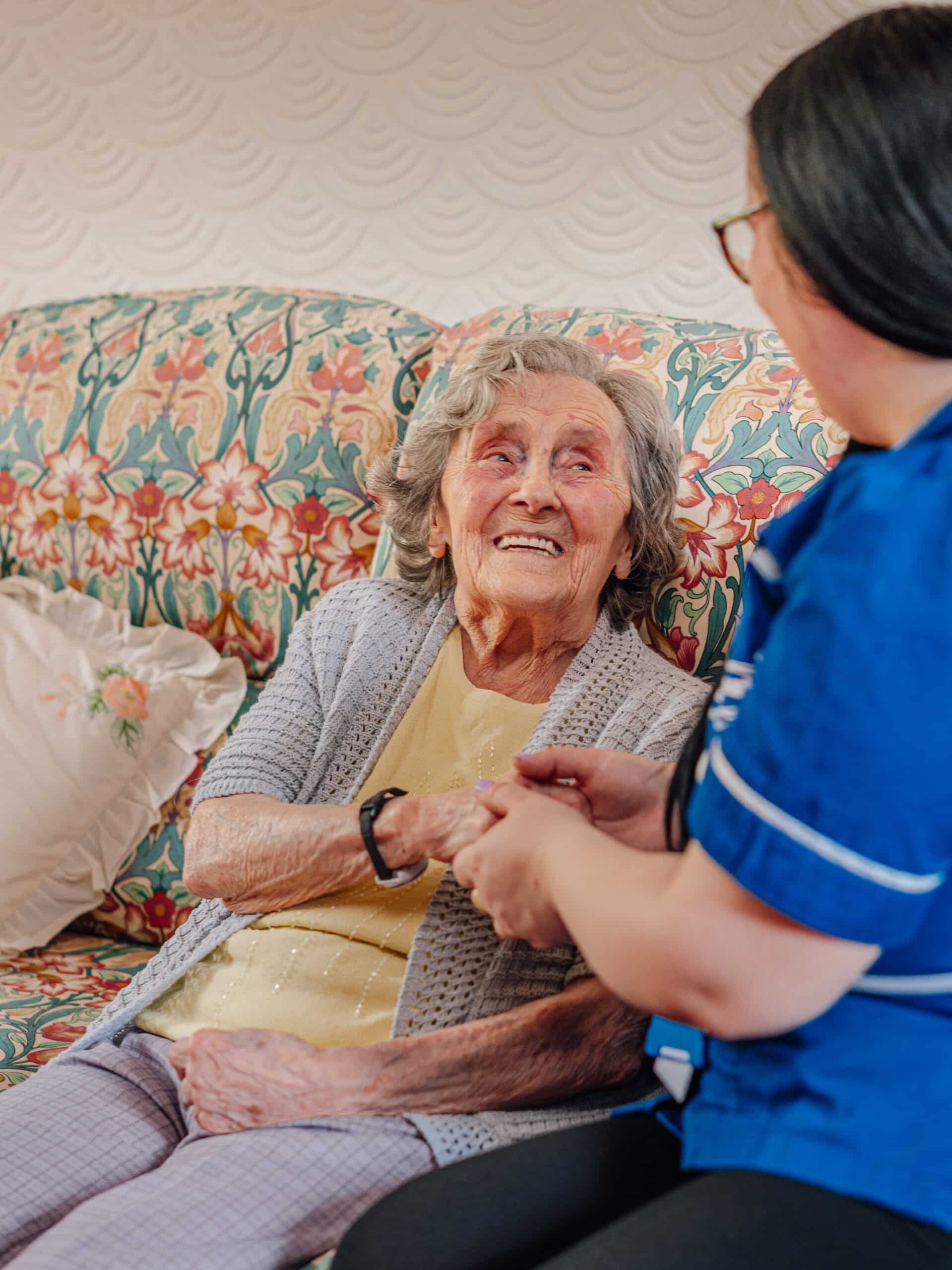
You may wish to contact a GP to receive a diagnosis if someone:
- Shows rapid changes in memory or thinking
- Becomes lost in familiar places
- Struggles with daily activities such as cooking or personal care
- Makes decisions that affect their safety
The diagnostic process typically begins with a GP appointment and may involve memory assessments, medical history reviews and blood tests to rule out other conditions. In many cases, individuals are referred to specialist memory clinics for further evaluation.
Conclusion: Understanding the Signs and Symptoms of Alzheimer’s Disease
Recognising the signs and symptoms of Alzheimer’s disease is an important step in ensuring individuals receive the care and support they need. While occasional forgetfulness is part of normal ageing, persistent memory loss, confusion or behavioural changes may indicate something more serious.
Seeking medical advice early allows families to access specialist services, plan care and improve quality of life. With the right support and understanding, people living with Alzheimer’s can continue to experience dignity, comfort and meaningful daily routines.
About Caremark Bromley
At Caremark Bromley, we understand the challenges families face when a loved one begins showing the signs and symptoms of Alzheimer’s disease. Our trained care assistants provide compassionate, personalised home care that supports individuals to live safely and comfortably in their own homes.
Our dementia care services include:
- Personalised home care visits
- Support with daily routines and personal care
- Companionship and emotional reassurance
- Specialist dementia and Alzheimer’s care
Our goal is to help people maintain independence while providing families with professional support and peace of mind.
If you would like to learn more about our services, please contact Caremark Bromley to discuss how we can support you or your loved one.