

Dementia: symptoms, diagnosis, and support with Caremark Dover
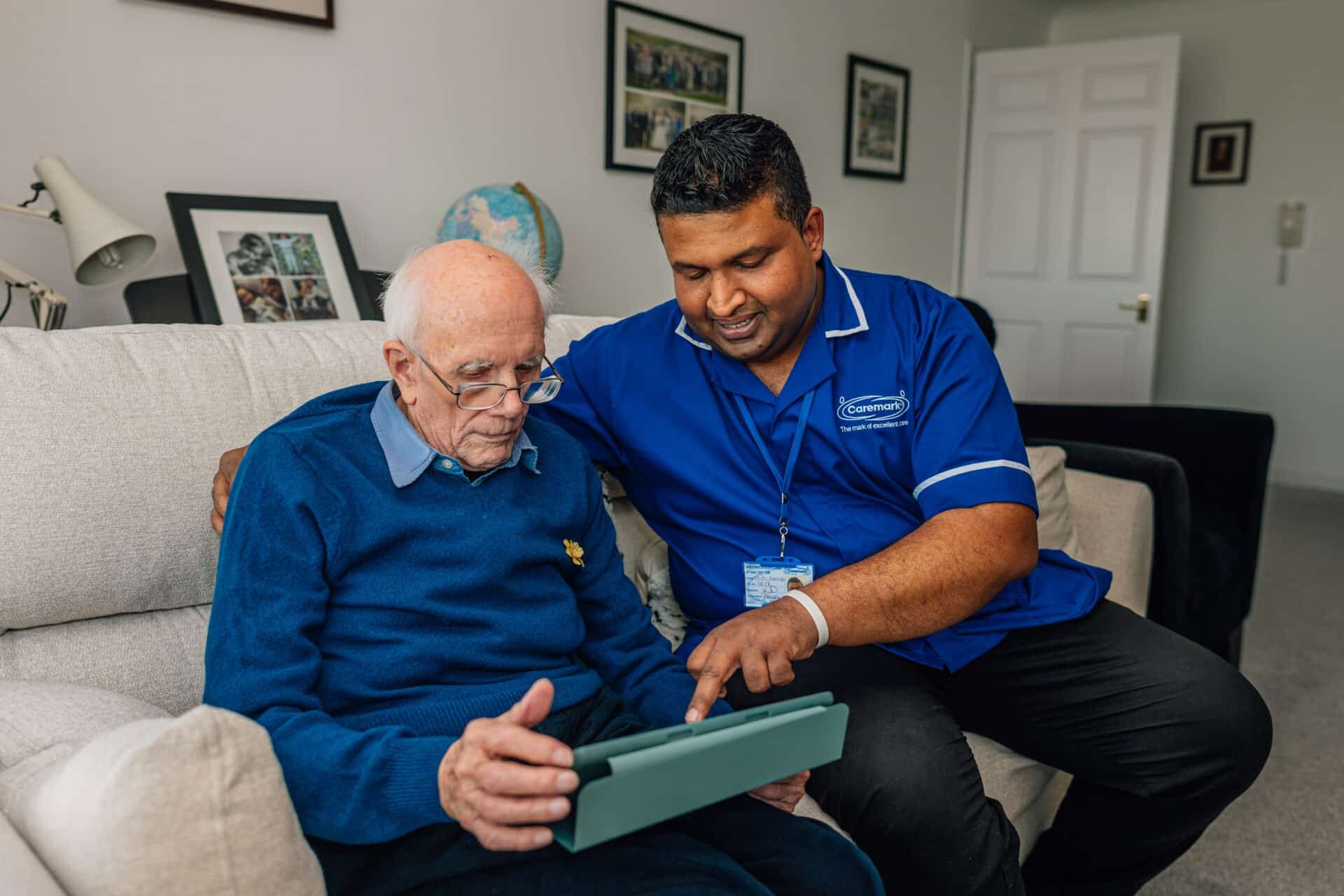
Dementia is a word used to describe a group of symptoms caused by diseases that affect the brain. Dementia symptoms can include changes to memory, thinking, behaviour, communication, and the ability to manage everyday tasks. With clear information, a timely diagnosis, and compassionate support, many people continue to live well at home. Caremark provides tailored, professional home care so you or someone you love can stay safe, independent, and connected to what matters most.
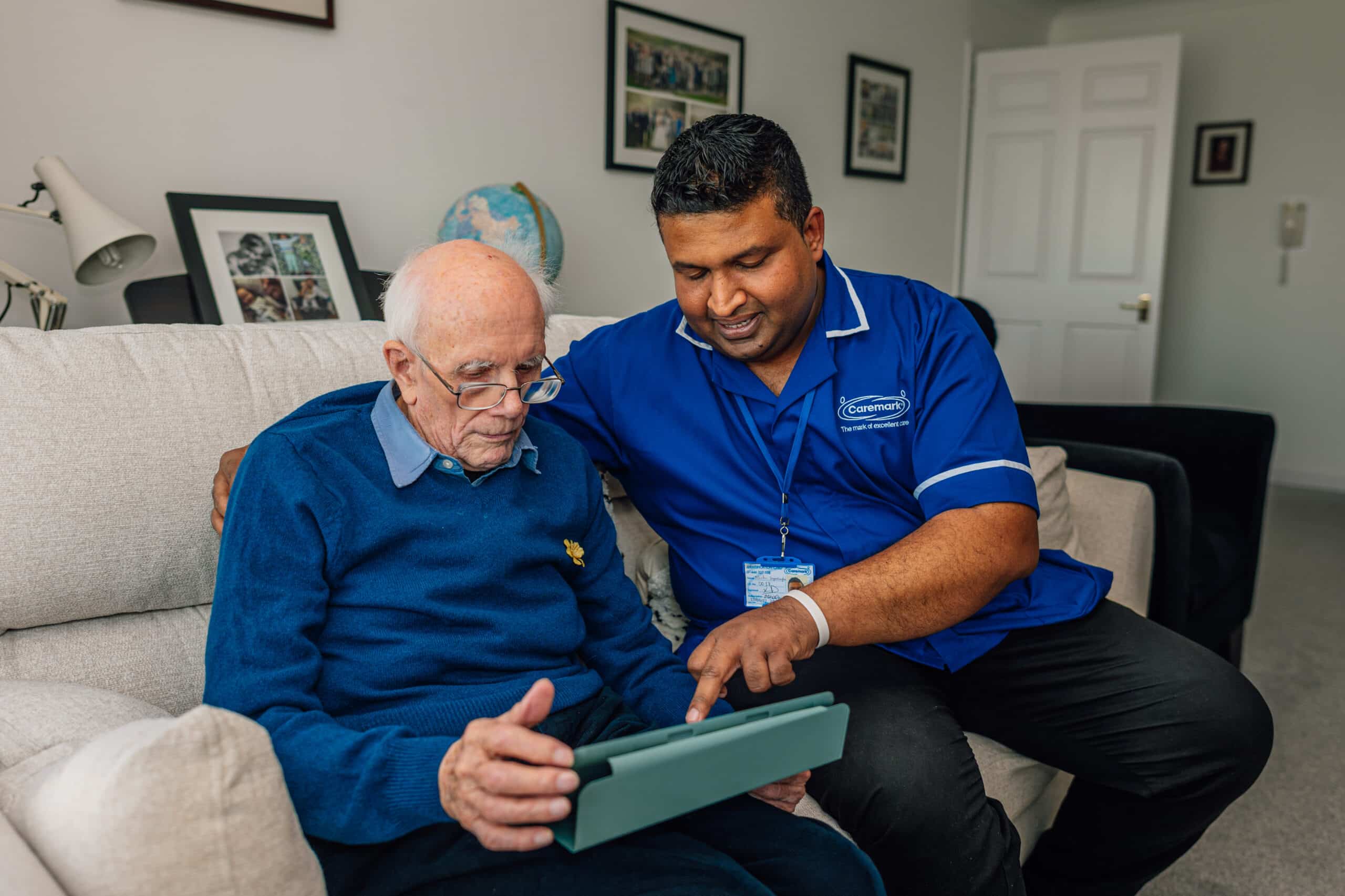
Understanding dementia symptoms and their causes
Dementia is not a single illness. It describes a decline in cognitive abilities that is significant enough to affect daily life. Changes in brain cells can alter how we store memories, process information, communicate, and reason. This may influence everything from preparing meals and taking medication to following conversations and managing finances. Recognising dementia symptoms early means support can be arranged before difficulties become acute. Emotional or behavioural changes may also occur, such as anxiety, apathy, irritability, or disrupted sleep.
Common types of dementia include:
- Alzheimer’s dementia: the most common form, linked to abnormal protein build-up in the brain, often causing gradual memory loss and confusion.
- Vascular dementia: caused by reduced blood flow to the brain, sometimes after strokes or mini-strokes, affecting thinking speed and planning.
- Dementia with Lewy bodies: can involve visual hallucinations, changes in alertness, and movement symptoms similar to Parkinson’s.
- Frontotemporal dementia: more likely to affect people at a younger age, often changing personality, behaviour, and language first.
Dementia is different from normal ageing. It is common to misplace items or forget a name and remember it later. Dementia involves ongoing, progressive difficulties that affect daily functioning. Mild cognitive impairment (MCI) sits between normal ageing and dementia: there are noticeable issues, but day-to-day independence is mostly intact. Not everyone with MCI develops dementia, so monitoring and support matter.
Recognising dementia symptoms and getting a diagnosis
Early signs of dementia can be subtle. People may repeat questions, lose track of time, struggle to find words, misjudge distances, or find planning and organising harder. As dementia progresses, symptoms can include disorientation, getting lost in familiar places, changes in mood or behaviour, sleep disturbances, hallucinations (in some types of dementia), and difficulties with personal care or managing money. Communication may become more challenging, with reduced vocabulary, trouble following conversations, or misunderstanding humour.
Recognising the early signs of dementia makes a difference. A timely assessment can rule out treatable causes of memory problems, such as infections, depression, or thyroid issues. It also opens access to information, therapies, and practical support, and enables advance care planning while the person can fully participate. An early diagnosis helps families put legal, financial, and practical arrangements in place and reduces the risk of crises later on.
The diagnostic process usually starts with your GP. They will discuss symptoms, review medicines and medical history, and may carry out basic cognitive tests and blood tests. If needed, you will be referred to a memory clinic or specialist service for more detailed assessment. This may include structured cognitive tests, brain imaging such as CT or MRI scans, and a review of daily functioning with input from a family member or friend. You should receive a clear explanation of the findings, what they mean for day-to-day life, and guidance on support options and follow-up.
Living well with dementia: practical support
Simple strategies can maintain confidence and independence at home:
- Keep routines consistent to reduce anxiety and support memory.
- Use visual cues such as labelled cupboards and clear signs for rooms and items.
- Rely on calendars, reminder apps, whiteboards, and pill organisers to structure the day.
- Improve safety with good lighting, reduced clutter, and straightforward home adaptations, such as grab rails, contrast-coloured toilet seats, and removing trip hazards.
- Break tasks into small steps, allow unhurried time, and offer choices to support autonomy.
- Stay active with gentle exercise, hobbies, music, time outdoors, and regular social contact.
Family carers benefit from practical help and reassurance. Training in communication, managing distress, and safe moving and handling can make everyday care safer and less stressful. Plan regular respite through short visits, longer sitting services, or overnight support to protect carers’ health and wellbeing. Local groups, carer forums, and dementia cafés provide emotional support and practical tips from others with lived experience.
Caremark Dover offers specialist home care for people living with dementia, including Alzheimer’s dementia and vascular dementia. We create personalised care plans built around individual strengths, preferences, life history, and routines. Our Care Assistants help with personal care, medication, meal preparation, mobility, companionship, and gentle prompting to maintain independence. We work alongside families, GPs, and dementia teams to review care as needs change, ensuring consistent, dignified support at home.
How Caremark helps: our approach and benefits
Our approach is person-centred and compassionate. We focus on what matters to each individual: familiar routines, meaningful activities, and preferred ways of communicating. Life stories shape care, helping us use reminiscence, music, and personalised prompts that reduce distress and bring comfort. We respect choice and promote independence, adapting support flexibly as needs evolve across different types of dementia.
Caremark Care Assistants receive dementia-specific training covering the types of dementia, positive communication techniques, recognising and responding to distress, and safe nutrition and hydration support. Ongoing supervision, refresher learning, and quality checks help us maintain high standards. Many teams hold advanced qualifications and are mentored by experienced care professionals, so you can trust the support we provide for Alzheimer’s dementia and vascular dementia alike.
With locally owned Caremark offices across the UK, we offer flexible visit schedules, from short, frequent calls to longer companionship visits and overnight care. We prioritise continuity, introducing a small, consistent team who get to know you well. Families receive clear communication through regular updates and care reviews, offering peace of mind. To explore tailored dementia support at home, contact your local Caremark office for a friendly, no-obligation assessment.
At a glance: dementia care at home with Caremark
| What we provide | How it helps |
|---|---|
| Personalised care planning | Aligns support with preferences, routines, and life history |
| Specialist-trained Care Assistants | Skilled, consistent care with a gentle, respectful approach |
| Flexible visit schedules | From brief daily calls to overnight care, adjusted as needs change |
| Safety and independence support | Medication prompts, mobility assistance, and home safety guidance |
| Family communication | Regular updates and reviews for transparency and peace of mind |
There’s no place like home, and there’s no care quite like Caremark. If you are noticing early signs of dementia in yourself or someone close, we are here to help. We combine warm, human care with trusted expertise, so you can feel confident about today and prepared for tomorrow.