

What Home Care Really Means in Dover
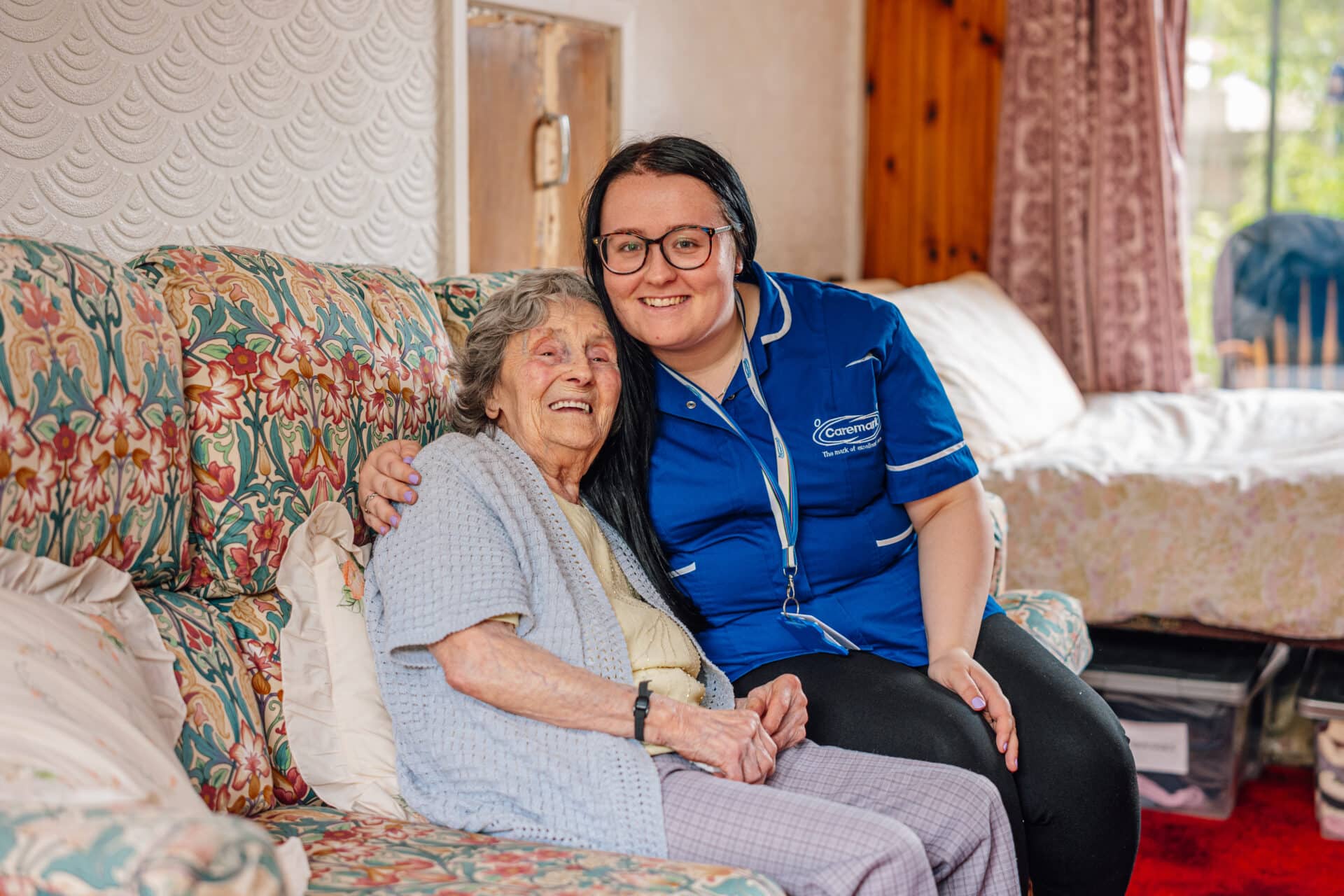
There’s no place like home. When everyday tasks start to feel harder, the right help at the right time can make all the difference. That’s what home care really means at Caremark Dover: practical support, gentle encouragement and warm companionship delivered in the comfort of your own home. It keeps routines familiar, protects independence and brings reassurance to you and your family.
In this guide, we explain what is home care in clear, simple terms. You’ll find when it might be time to consider it, the services available, how funding and costs work, and how Caremark delivers dependable care across the United Kingdom. We also share tips for choosing a provider and what getting started looks like, so you can make decisions with confidence.
Understanding Home Care
Home care, also called domiciliary care, is support delivered where life happens: at home. It flexes around you. It might be a weekly check-in, several visits a day, short overnight support or a live-in Care Assistant providing round-the-clock help. Because it adapts, home care means you can increase or reduce visits as needs change.
So, what is home care day to day? It ranges from personal care such as washing, bathing, dressing, continence care and oral hygiene, to practical help with meals, hydration, laundry, light housekeeping and shopping. It can include medication prompts and, where appropriate, administration with clear records. It also brings companionship, conversation, and support with hobbies and community activities. For more complex situations, specialist services are available for long-term conditions, rehabilitation, palliative and end-of-life care.
At its heart, what home care really means is independence. Staying at home preserves routines, community ties and cherished memories. For many people, it reduces the risk of hospital admissions, supports recovery after illness and provides continuity through life’s changes. By focusing on what you can do and adding just enough help, home care keeps you in control for longer.
Caremark’s approach is personal and respectful. We take time to learn your preferences, culture and lifestyle. Every care plan is tailored and reviewed regularly. Our Care Assistants are thoroughly trained and carefully matched, so support feels familiar and consistent. We communicate clearly with families and health professionals, and we keep our promises. That’s what home care really means when it’s done well.
When to Consider Home Care
Introducing support early can boost safety, confidence and wellbeing. Signs are often subtle at first and can build over time. You might notice:
- Increased falls, near-misses or unsteadiness on stairs and steps
- Missed medication doses, confusion with prescriptions or running out of medicines
- Difficulty with washing, dressing or maintaining personal hygiene
- Challenges preparing meals, reduced appetite or noticeable weight loss
- Low mood, loneliness or withdrawing from usual activities
- Reduced mobility, fatigue or slower recovery after illness
- Memory lapses, confusion or disorientation
- A home becoming cluttered, untidy or unsafe
- Family carers feeling strain, interrupted sleep or burnout
Home care is especially helpful after a hospital stay or illness to support recovery. It brings calm and structure for people living with dementia by maintaining familiar surroundings. It also helps with long-term conditions such as Parkinson’s, multiple sclerosis, COPD and diabetes. When someone chooses to remain at home at the end of life, care focuses on comfort, dignity and symptom management. Short-term support can bridge the gap after surgery, during a setback, or while a family carer takes a well-earned break.
Caremark offers free, no-obligation consultations. We listen to your story, explore risks and goals, and share clear recommendations. You’ll receive an outline care plan, transparent costs and guidance on funding. With consent, we liaise with healthcare professionals to keep everything joined up.
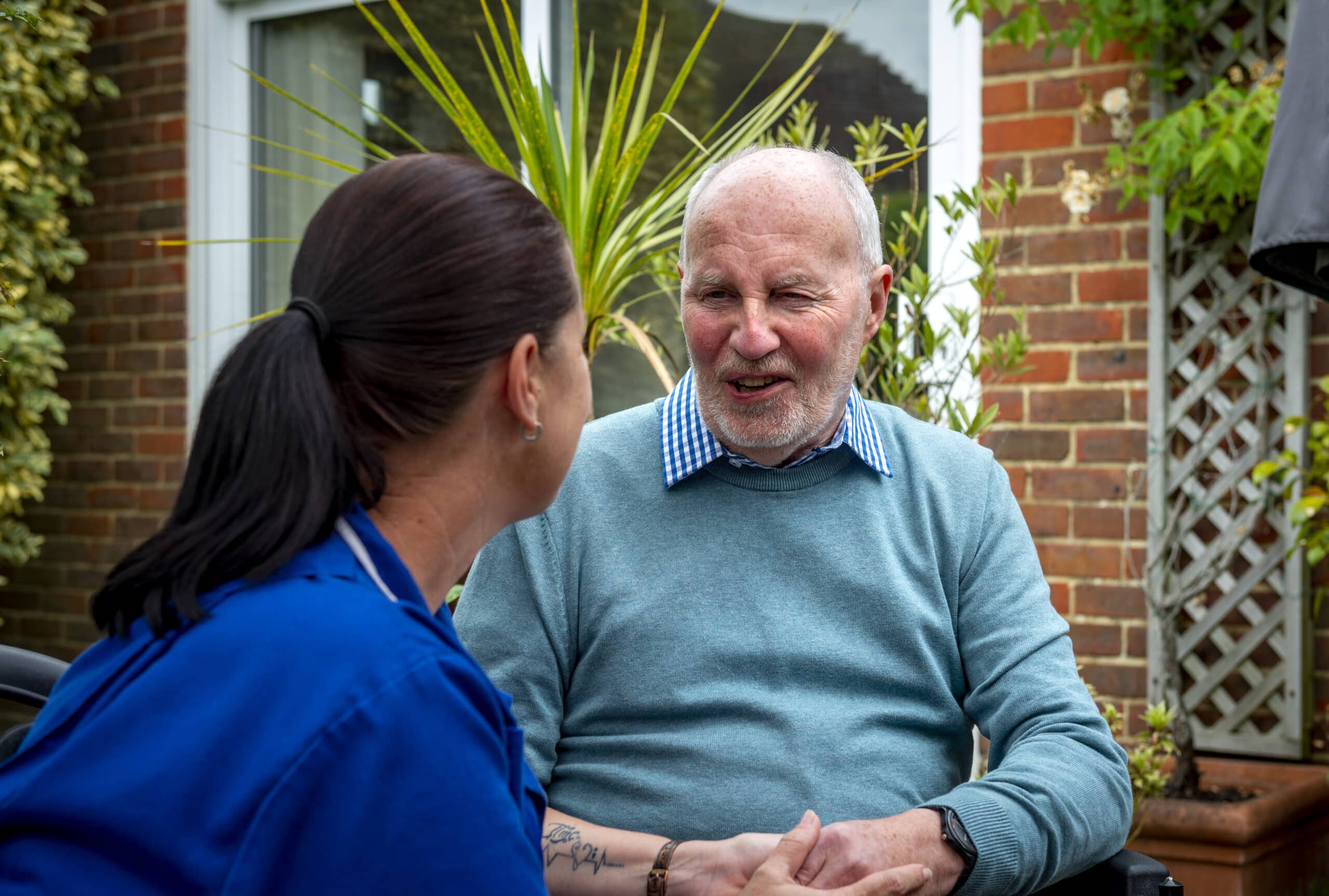
Types of Home Care Services from Caremark Dover
No two days are the same, so we shape our support around you. Here’s how we can help:
Personal Care and Daily Living
- Help with washing, bathing, showering, dressing and grooming
- Continence care and support with toileting
- Oral care and skincare
- Meal planning and preparation, hydration and gentle encouragement to eat well
- Light housekeeping, laundry, tidying and keeping the home safe
- Help with shopping, errands and attending appointments
Medication and Health-Related Support
- Medication prompts and administration where appropriate, with clear records
- Liaison with pharmacies and GPs to help manage prescriptions
- Support with simple health tasks as directed by healthcare professionals
Companionship and Community
- Regular visits for conversation, a cuppa and friendly company
- Support with hobbies, gentle exercise and social activities
- Accompanied outings to community groups, shops or favourite places
Specialist and Complex Care
- Dementia care that prioritises reassurance, familiarity and meaningful routines
- Reablement support to rebuild confidence and independence after illness or discharge
- Respite care to give family carers a planned, restorative break
- Live-in care providing round-the-clock support while remaining at home
- Palliative and end-of-life care focused on comfort, dignity and symptom control
- Condition-led support for stroke recovery, neurological conditions, learning disabilities, physical disabilities, arthritis and diabetes
Our teams follow tailored care plans and collaborate with clinicians when clinical input is required. We use thorough assessment and regular review, secure digital record-keeping for transparency, and consistent visit times wherever possible. Continuity matters, so we aim to keep the same friendly faces visiting you.
Training and Quality Standards
Our Care Assistants are trained beyond mandatory standards. Training includes dementia communication, nutrition and hydration, safeguarding, infection control, moving and handling and person-centred outcomes. Local Caremark locations combine community knowledge with national frameworks, supported by strong governance and safeguarding. It’s part of what home care really means when you choose a trusted leader.
Funding and Costs of Home Care
Understanding funding helps you plan with confidence. It’s common to combine different sources. Here’s a simple overview of what is home care funding in the UK context and how it may apply to you.
Potential Funding Routes
- Local authority funding: If you appear to have care needs, request a needs assessment. A financial assessment follows to determine eligibility for help with costs. Some people receive direct payments to arrange their own care.
- Self-funding: You may pay privately if income or savings are above the threshold, or if you prefer to choose a particular provider and package.
- NHS Continuing Healthcare: For complex, ongoing health needs, the NHS may fund a complete package of care. Eligibility is assessed against national criteria.
- NHS-funded Nursing Care: In nursing settings, the NHS may contribute to nursing needs. In some circumstances, elements of this can align with home-based support if relevant health tasks are involved.
- Welfare benefits: Attendance Allowance, Personal Independence Payment (PIP) and Carer’s Allowance can help with the costs of care and support.
What Influences Cost
The cost of home care varies by:
- Level of support required and length of each visit
- Frequency of visits (daily, several times a day or weekly)
- Daytime, overnight or live-in arrangements
- Complexity, including specialist tasks or two Care Assistants for safe moving and handling
- Regional variations in service provision and travel
Before care begins, you’ll receive a clear, itemised quote showing exactly what’s included. We keep pricing transparent and explore options that align support with your priorities and budget.
How Caremark Helps You Plan
We are committed to excellent care that represents good value. Our team can signpost you to local authority assessments, benefits advice and independent financial guidance. We offer flexible packages, from short visits to live-in care, and we review support regularly so you only pay for help that genuinely makes a difference.
| Care Option | Typical Use | Key Considerations |
| Hourly visits | Daily living support, medication, meals, companionship | Flexible scheduling that can increase or reduce as needs change |
| Overnight care | Reassurance and assistance through the night | Helpful for dementia, fall risk or post-hospital recovery |
| Live-in care | Round-the-clock support with familiar routines at home | Personalised, one-to-one care; a strong alternative to residential care |
| Respite care | Short-term cover for family carers | Planned breaks or urgent support to prevent burnout |
Choosing the Right Home Care Provider
Choosing a provider is a big decision. You’ll want humanity backed by strong systems. Here are helpful questions to ask:
- Person-centred approach: How are wishes, routines and cultural needs captured and respected?
- Quality and continuity: Will the same Care Assistants visit regularly, and how is continuity managed?
- Training and supervision: What training do Care Assistants receive, and how are they supported?
- Care planning and review: How is the plan created, updated and shared with you and your family?
- Safeguarding and safety: What checks, risk assessments and incident procedures are in place?
- Punctuality and reliability: How are visit times arranged and monitored? What happens if timings need to change?
- Medication management: How are medicines handled, recorded and audited?
- Dignity and respect: How do Care Assistants protect privacy and encourage independence?
- Transparency: Are costs and terms clear, with no hidden charges?
- Evidence: What do inspection ratings, reviews and testimonials say?
Caremark is regulated by the Care Quality Commission in England and the equivalent regulators in Wales, Scotland and Northern Ireland where applicable. Our local teams are led by care professionals who know their communities, supported by national quality frameworks. We recruit carefully, train thoroughly and supervise closely to deliver consistent, compassionate care. Our reputation rests on reliability, clear communication, safeguarding and a deep commitment to customer wellbeing.
Families often tell us that our dementia care brings structure and calm back to daily life, reducing crises and unplanned hospital visits. Others praise the punctuality and warmth of their regular Care Assistants, saying dependable help restored confidence after a fall or illness. Many appreciate how we coordinate with GPs and district nurses, so everyone is working towards the same goals.
What Home Care Looks Like Day to Day in Dover with Caremark
Good care blends into everyday life. A typical day might start with help to get up, wash and dress, followed by a nutritious breakfast and medication prompts. Later, a Care Assistant may return to prepare lunch, support gentle exercise or accompany you to an appointment. In the afternoon there could be time for a chat, a hobby, or a short walk. Evening visits often focus on supper, night-time medicines and a safe, comfortable bedtime routine. With live-in care, a Care Assistant is on hand throughout the day and night, balancing practical help with companionship and reassurance.
Throughout, the focus is on choice and dignity. We work at your pace, respecting preferences about food, routines and privacy. Each visit is recorded using secure digital notes, so families can stay informed and everyone has a clear, up-to-date picture of your support.
Getting Started with Caremark Dover
Arranging care with Caremark Dover is straightforward and reassuring. Here’s how it works when you choose to home care with us:
1. Enquiry and Consultation
Contact your local Caremark team by phone or online. We’ll arrange a convenient time to talk. A care professional will listen carefully to your needs, preferences, safety considerations and any relevant health information. With your consent, we can speak with family members and healthcare providers to build a complete picture.
2. Assessment and Personalised Plan
We carry out a thorough assessment at home. Together, we agree goals, routines, tasks, timings and any risk assessments. You’ll receive a personalised care plan in plain English, with transparent costs and a proposed start date. For live-in care, we discuss home arrangements, daily preferences and compatibility to make the transition smooth.
3. Matching and Introductions
We match Care Assistants based on skills, experience and personality. You’ll meet your care team and can ask questions before visits begin. We explain how care notes are recorded, how medication is managed and how to reach us at any time.
4. Ongoing Support and Review
Once care begins, we check in regularly and review outcomes. Plans are updated promptly if needs change. You have a single point of contact for queries, and our on-call service provides reassurance outside office hours. Our goal is consistent, respectful care that helps you live well at home.
Frequently Asked Questions
Here are some quick answers to common questions about what is home care and how it works with Caremark:
- How quickly can care start? In many cases, within days. For urgent situations, we respond swiftly, subject to assessment and safe staffing.
- Will I have the same Care Assistants? We prioritise continuity and aim to provide a small, consistent team. If a change is needed, we’ll let you know in advance whenever possible.
- What if my needs change? Care is flexible. We review plans regularly and can increase, reduce or adapt support as required.
- How do you ensure safety? Care Assistants are thoroughly vetted, trained and supervised. We complete risk assessments, follow robust safeguarding procedures and use secure record-keeping.
- Can you work with my GP and other professionals? Yes. With consent, we coordinate with GPs, district nurses, therapists and hospitals to keep care joined up.
Why Choose Caremark
Choosing a provider is about more than a list of tasks. It’s about trust, warmth and professionalism. Caremark brings the human touch together with strong systems that protect safety and quality. For us, home care means helping you live the life you choose, with dignity and peace of mind.
- Personalised care plans that are reviewed regularly to stay relevant
- Care Assistants trained beyond mandatory standards
- Clear, open communication with families and professionals
- Reliable scheduling and continuity of Care Assistants
- Transparent pricing with flexible packages
- Regulated services and a strong safeguarding culture
We’re proud to be one of the UK’s leading home care providers, trusted by thousands of families. Nothing compares to home, and nothing compares to the feeling of knowing a kind, capable person will be there when you need them. That’s what home care really means to Caremark Dover.
Next Steps
If you’re exploring support for yourself or someone close to you, a friendly conversation can help you move forward. Contact your local Caremark team to arrange a free, no-obligation consultation. We’ll listen, answer your questions and offer clear options suited to your situation. Whether you need a few hours a week, live-in care or short-term help after a hospital stay, we’re here to help.
To home care with Caremark is to choose reassurance, continuity and kindness. From the first hello to every cheerful visit, we’ll be by your side. That’s what home care really means when you have a trusted team in your corner.